Ukraine targets Russian oil tankers in new bid to weaken Kremlin war financing - NYT

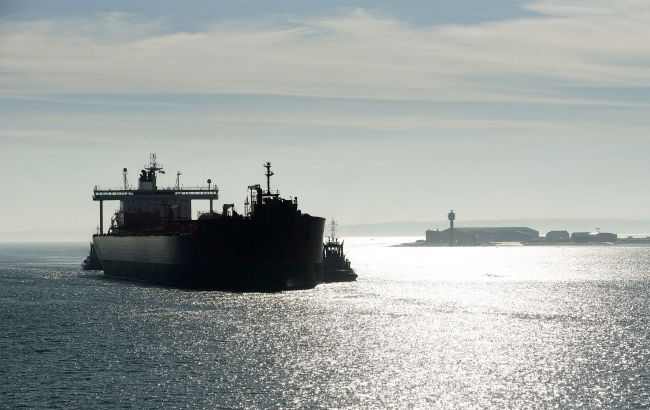 Photo: Ukraine's strikes on Russia's shadow fleet hit the financing of the war (Getty Images)
Ukraine has publicly acknowledged attacks on Russian shadow fleet oil tankers for the first time, reporting that four vessels were struck by drones in the Black and Mediterranean Seas, reports The New York Times.
In recent weeks, Ukrainian drones have targeted four oil tankers linked to Russia's shadow fleet, which helps Moscow circumvent international sanctions.
Three vessels were hit by maritime drones in the Black Sea, and one was struck by aerial drones in the Mediterranean Sea, over 1,200 miles from Ukraine.
The Security Service of Ukraine (SBU) confirmed that all targeted tankers were en route to Russian ports, including Novorossiysk, Russia's largest oil hub on the Black Sea, to load oil. At the time of the attacks, the vessels were empty.
The SBU also reported four strikes on Russian oil production platforms in the Caspian Sea over the past ten days.
Experts emphasize that the goal is not the physical destruction of the fleet but to increase shipping risks and costs, raise insurance rates, and pressure Russia’s partners.
"No money, no war machine," experts explained, noting that oil remains the main source of financing for Russian aggression.
Russian President Vladimir Putin has stated that the attacks will allegedly have no effect and threatened retaliation. Specialists say these strikes send a clear message to both Moscow and Europe: either tighten sanctions or face more problems in shipping lanes.
Ukraine employs Sea Babies maritime drones, developed and operated by Ukrainian intelligence, capable of covering long distances and delivering precise strikes on maritime targets.
Russia's shadow fleet
Russia created the shadow fleet after Western sanctions were imposed. It consists of hundreds of old tankers flying foreign flags, with tracking systems disabled and questionable insurance, transporting oil to India, China, and other countries.
The European Union has added over 500 of these vessels to its sanctions list and recently introduced new restrictions on companies and individuals connected to the fleet. Ukrainian President Volodymyr Zelenskyy also announced the largest Ukrainian sanctions package, covering hundreds of vessels.
Kyiv had previously avoided striking oil infrastructure due to fears of escalation and effects on global prices. The recent attacks indicate a strategic shift: Ukraine aims to weaken the economic base of Russia's war and strengthen its position ahead of potential peace talks.
Experts note that while attacks on tankers alone will not halt Russian oil exports, combined with strikes on refineries, platforms, and sanctions, they gradually limit the Kremlin's financial options and increase the cost of war for Moscow.
On Friday, December 12, SBU drones disabled a Russian oil production platform in the Caspian Sea, marking Ukraine's first recorded strike on such a facility in the region.
Later that evening, SBU drones carried out a second attack on Russian oil platforms, halting operations at the production facilities.
Russia uses these shadow fleet tankers not only to bypass international sanctions. Under the guise of commercial transport, the vessels are involved in espionage against European states, operating in the interests of Russian intelligence services.