Ukraine sanctions suppliers of Russia's Iskander and S-400 missile systems

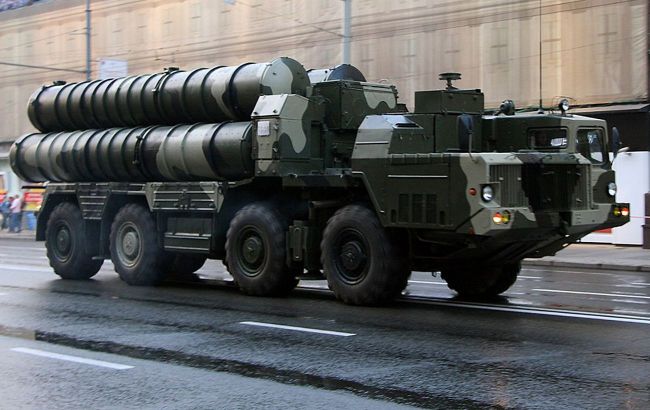 Ukraine cuts off suppliers of Russia's missile industry (photo: Russian media)
Ukraine's new sanctions package strikes at the heart of Russia's missile industry — suppliers of factories producing ballistic missiles and air defense systems have come under sanctions, said Vladyslav Vlasiuk, presidential commissioner for sanctions policy.
Who was sanctioned
The new package is aimed not only at weapons manufacturers, but also at the chain of companies servicing them.
Restrictions were imposed on enterprises connected to three key factories:
- Moscow Machine-Building Plant Avangard — produces S-300 and S-400 surface-to-air missile systems;
- Perm Powder Plant — produces gunpowder and rocket fuel;
- Votkinsk Plant — produces Iskander ballistic missiles.
Unitest-Rentgen supplied equipment for quality control of missile production parts at the Avangard plant. In addition, the company cooperated with Moscow Institute of Thermal Technology — an institution that developed Topol-M, Yars, and Bulava missiles.
A2 Group supplied Perm Powder Plant with raw materials for the production of gunpowder and rocket fuel — components without which ammunition and missile systems cannot operate.
A separate block of restrictions targeted companies that helped Russia's defense sector obtain banned equipment and electronics.
In particular, these include RT-Komplektatsiya, a subsidiary of sanctioned state corporation Rostec, and company Spetstekhnologiya. Both helped bypass international restrictions through imports.
Sanctions were also imposed against the information technology company Inforion. It developed protected data collection and management systems, as well as software for Russian security agencies.
Vlasiuk said all collected information will be transferred to international partners for synchronization of sanctions.
As recently as spring 2025, the Swiss trading structure continued transferring money to Russian oil suppliers through Moscow's banking system, using an intermediary in Dubai to move transactions beyond Western oversight.
Despite threats by British Prime Minister Keir Starmer to intercept sanctioned vessels, MarineTraffic analysis recorded 184 ships under United Kingdom sanctions that made 238 voyages through British waters. The government has not provided evidence of the interception of even one vessel.