Response to Russian jet-powered Shaheds: Aviation, electronic warfare and interceptor drones


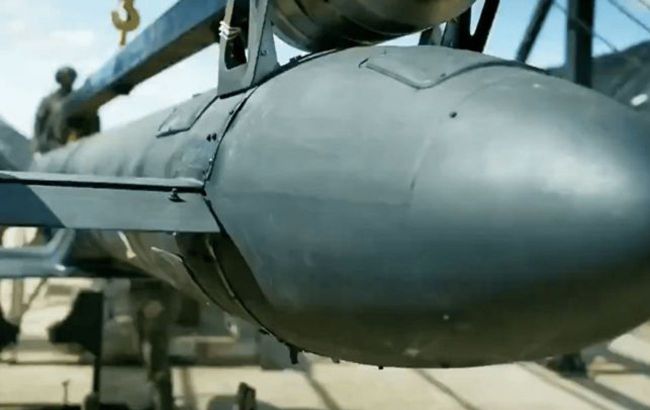 Photo: A Geran drone (Russian media)
Ukraine is using electronic warfare systems, aviation, and new interceptor drones against jet-powered Shaheds. However, each tool has limitations, and successful interceptions by the new drones remain isolated cases, according to an RBC-Ukraine report titled Russia's new strategy for attacking Kyiv: Jet-powered Shaheds and strikes on energy.
What is being used against jet-powered drones
Russia's growing use of jet-powered drones is forcing Ukraine to look for new ways to counter them. Sources interviewed by RBC-Ukraine said these measures include electronic warfare, where it can be effective, as well as combat aviation.
The capabilities of aviation are limited. According to the outlet's sources, its operations require air-to-air missiles and ammunition for aircraft guns. This issue is particularly acute for F-16s and Mirages, as they rely on imported munitions that are not always available.
The use of aviation over Kyiv faces additional restrictions due to risks to civilians and to the pilots themselves. Therefore, intercepting aerial targets before they reach the city remains a key task.
What about interceptor drones?
Another area of focus is Ukraine's new interceptor drones. The first successful interceptions of jet-powered Shaheds using such systems have already been reported publicly. At the end of September, Volodymyr Zelenskyy said that Ukraine has several effective prototypes.
According to RBC-Ukraine's sources, successful interceptions using these new systems remain isolated cases for now, although several developments have already demonstrated positive results. One possible approach is adapting Ukrainian jet-powered drone platforms that are currently used for long-range strikes. According to sources, some solutions based on these platforms have already shown good results in the interceptor role.
Strikes on drone ports and impact on communications
Ukraine's Defense Forces are trying not only to intercept Russian aerial attack weapons but also to limit the enemy's ability to deploy them. According to sources, Ukrainian forces are striking Russian drone ports from which jet-powered UAVs are launched. However, they say these strikes have not yet forced Russia to abandon such attacks.
According to RBC-Ukraine, the active launch sites for Geran-4 and Geran-5 drones currently include Tsymbulova, Shatalovo, Millerovo, and Primorsko-Akhtarsk.
Another area of focus concerns the communications systems Russia uses to control its drones. The Defense Forces regularly target relay stations and mobile communications towers in Belarus that Russia uses as a mesh network for drone control.
Read Also: Ukraine unveils new interceptor that catches FPV drones with net
In August, Yurii Ihnat, Head of Communications for the Air Force Command of the Armed Forces of Ukraine, clarified that during some attacks, jet-powered UAVs account for up to two-thirds of the total number of drones used.
In September, the Air Force gave an optimistic assessment of the prospects for weapons designed to counter jet-powered Shaheds.
President Volodymyr Zelenskyy confirmed the interception of a jet-powered Shahed by a new interceptor drone and said that several Ukrainian developments had already proven effective in combat. Later, the president released the first footage showing the destruction of such drones, while presidential adviser Serhii Beskrestnov ("Flash") confirmed the interception of a Geran-5 by a Ukrainian interceptor.
At the end of September, National Guard operators successfully shot down a Geran-4 for the first time using the General Chereshnya Bullet interceptor.