Ukraine lost nearly $1.2 billion: NYT reveals major defense spending problems

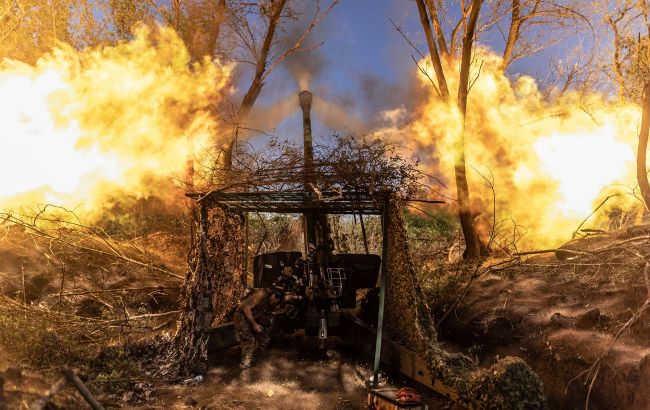 Auditors identified systemic problems in defense industry procurement (photo: GettyImages)
Ukraine lost about $1.2 billion in 2024 alone due to fraud, embezzlement and mismanagement in defense procurement, according to government audits of defense industry contracts.
In an article titled In Ukraine, Fraud and Waste Are Rewarded With More Weapons Contracts, the NYT analyzed audits by the State Audit Service and the internal audit unit of the Ministry of Defense, as well as court documents obtained by the newsroom.
Defective mines
One example cited by NYT is the situation involving the Pavlohrad Chemical Plant, which supplied the Ukrainian military with thousands of unusable mortar rounds. According to court documents, the company sold the army 233,000 defective rounds, some of which had problems with their fuses or propellant charges.
The company's director, Leonid Shyman, was detained in April 2025 and accused of fraud involving about $68 million. In August, he was sentenced to five years in prison in a separate case involving the organization of a scheme to sell explosives at inflated prices. His lawyer said Shyman intends to appeal the verdict and denies guilt in the case involving the mortar rounds.
According to the audits, officials became aware of problems with the plant's products, but the Defense Procurement Agency continued to sign new contracts with the company. The plant received an order to supply nearly all 122-mm artillery shells for the Ukrainian military in 2025.
Auditors also found that seven of Ukraine's 10 largest military contractors received new orders despite open criminal investigations, failure to fulfill previous contracts, or the arrests of executives on corruption charges.
Ukraine overpaid for weapons
Government audits covering 2024 and 2025 showed that in 2024 alone, Ukraine lost about $1.2 billion due to fraud, embezzlement and inefficient management. These data were not made public because the documents are classified as confidential.
About $126 million was lost due to rejecting cheaper offers and overpaying for weapons. In another case, companies are suing over at least $100 million in advance payments under a contract that ultimately fell through.
Auditors identified 18 companies that signed new agreements despite failing to fulfill previous arrangements. Six of them did not fulfill a single contract.
NYT separately draws attention to the procurement of Turkish-made artillery rockets. Three companies participated in the 2024 tender, offering prices of about $4,200, $4,600 and $5,100 per rocket.
All the rockets were manufactured at the same Turkish plant. The lowest price was offered by the direct manufacturer, Arca Defense, but the contract went to a subsidiary of Czech-based Czechoslovak Group, which acted as an intermediary.
According to NYT's estimate, choosing the most expensive offer increased Ukraine's costs by about $130 million. Auditors found no justification for the decision, while previous audits recommended avoiding purchases through intermediaries.
Spetstechnoexport — the largest debtor to the Defense Procurement Agency
Another example concerns the purchase of Soviet-designed rockets from a Serbian manufacturer. Because of Serbia's position on Russia, Ukraine used a chain of intermediaries.
The contract was signed with the state-owned company Spetstechnoexport. According to auditors, it had a history of unfulfilled contracts, while its former executives had been subjects of an investigation into possible embezzlement and money laundering. Moreover, the company did not have a Serbian export license for the rockets.
Instead of a license, Spetstechnoexport provided a “guarantee letter” from Ukrainian military intelligence. Auditors said that such preferential treatment had no legal justification and occurred despite the company's previous unfulfilled obligations.
After that, Spetstechnoexport entered into a subcontract with the American company Regulus Global. This agreement was one of several between the companies totaling $1.7 billion.
Regulus Global, led by former Merrill Lynch stockbroker William Somerindyke Jr., already had experience supplying weapons to the Ukrainian army, the article says. However, the deal to supply the rockets began to fall apart.
Somerindyke said that then-Defense Minister Rustem Umerov sought to remove intermediaries from the weapons manufacturing business. He asked Regulus to work directly with the state procurement agency, removing Spetstechnoexport from the process.
As a result, the deal fell through, and by early 2025, Spetstechnoexport had become the largest debtor to the procurement agency, with more unfulfilled contracts than any other supplier, auditors found.
As a result, the Ukrainian government sued Spetstechnoexport, demanding payment of penalties for overdue fines and interest. In response, Spetstechnoexport filed financial claims against Regulus.
Somerindyke told NYT that his company had committed no violations and had simply “caught in the middle” of the reorganization of Ukraine's defense procurement system.