Ukraine destroys Russian Gerbera drones carrying FPV for first time

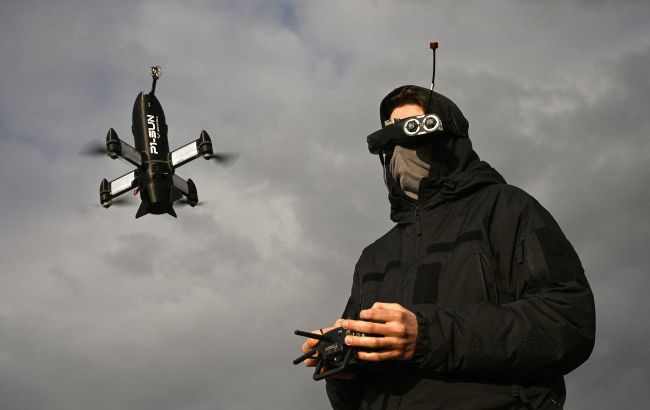 Photo: P1-SUN destroyed the new version of the Gerbera for the first time (Getty Images)
Ukrainian P1-SUN interceptor drones have, for the first time, destroyed Russian Gerbera drones carrying FPV drones, a new variant capable of delivering strike drones deep into Ukraine, according to Militarnyi.
5 drones in a day
Two units were deployed for the mission:
- Voron crew from the 58th Separate Motorized Infantry Brigade
- Box crew from the 302nd Anti-Aircraft Missile Regiment.
In a single day, they detected and destroyed five Russian drones. Video footage of the interceptors in action shows Gerbera drones with their characteristic X-shaped frames and FPV cameras mounted on top.
The defense technology company SkyFall shared a video of the interceptors in action.
P1-SUN
The P1-SUN is a Ukrainian drone interceptor from SkyFall, designed to destroy Shahed and other drones.
Its specifications:
- Speed – up to 310 km/h
- Operating altitude – up to 9,000 meters
- Range – up to 33 km from the launch site
Some versions of the P1-SUN are equipped with thermal imaging cameras and an automated guidance system, allowing the operator to track and shoot down targets with greater precision.
Gerbera and its role changing
Previously, Gerbera drones were primarily cheap decoy drones: they were launched en masse to overload the Ukrainian air defense system or conduct reconnaissance.
But in early 2026, Serhii Beskrestnov, an advisor to Ukraine's Minister of Defense, announced a new modification. Now, the Gerbera is used as an aerial carrier for FPV drones.
This is a way to deliver FPV systems over longer distances and strike targets that were previously out of reach.
Russia's attack on the Kyiv region on May 2 was atypical.
Russians used Parodya decoy drones to distract Ukrainian air defense forces and make it harder to intercept real threats.
A Ukrainian Defense Ministry adviser also warned of a new danger associated with Gerbera drones. Combat FPV drones carrying explosive payloads are already being found dozens of kilometers from the border, specifically, on the roofs of high-rise buildings.