UK intel explains why Russia reluctant to hold its main naval parade

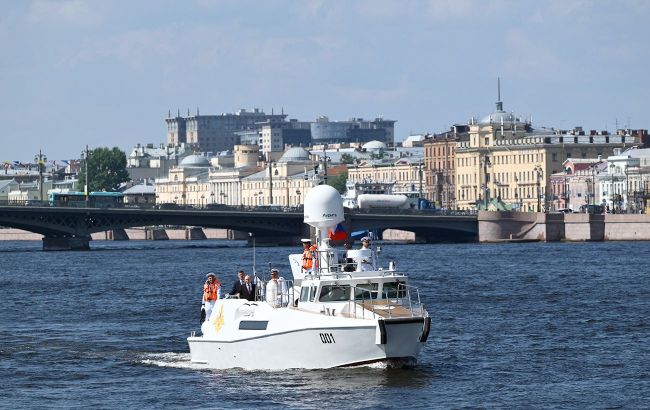 Photo: Russia's naval parade in St. Petersburg (Getty Images)
Russia is canceling its large-scale Day of the Russian Navy parade for the second consecutive year. Several indicators point to this, according to a statement by the Ministry of Defense based on intelligence findings.
Russia afraid to hold parade in St. Petersburg
Russia is likely to cancel its main parade dedicated to the so-called Day of the Russian Navy once again. The reason is growing concern over security during the event.
"The Day of the Russian Navy is a national holiday in Russia, celebrated on the last weekend in July. From 2017 to 2024, this included a main naval parade in the Baltic Sea off St. Petersburg," UK intelligence noted.
The parade also traditionally featured an inspection of warships by Russian President Vladimir Putin.
In previous years, foreign vessels and representatives of other countries also attended the event.
Ukraine targets Russia's Baltic Fleet warships
In 2024, Russia scaled back its main naval parade.
Last year, the event was canceled entirely, with security concerns cited as the primary reason.
"This year, Russia’s main naval parade has highly likely been canceled again due to continued security concerns," the report said.
As previously reported, on June 3, Ukraine successfully struck the Russian Baltic Fleet frigate Boykiy, a Project Steregushchiy-class warship. The vessel was located in Kronstadt near Saint Petersburg.
UK intelligence believes Russia may replace its main parade in St. Petersburg with naval exercises similar to the July Storm 2025 drills.
Ukraine's Armed Forces also struck vessels in the port of Kronstadt in Russia's Leningrad region. Commander Robert Brovdi, known by the call sign "Madyar," published footage showing the Russian corvette Boykiy on fire.
The damage inflicted on Boykiy demonstrated Ukraine's ability to strike Russian military targets at distances exceeding 1,000 kilometers. The warship had been used for provocations near NATO borders and to escort tankers belonging to Russia's so-called shadow fleet.