This part of your dog's body could reveal hidden health issues, vet says

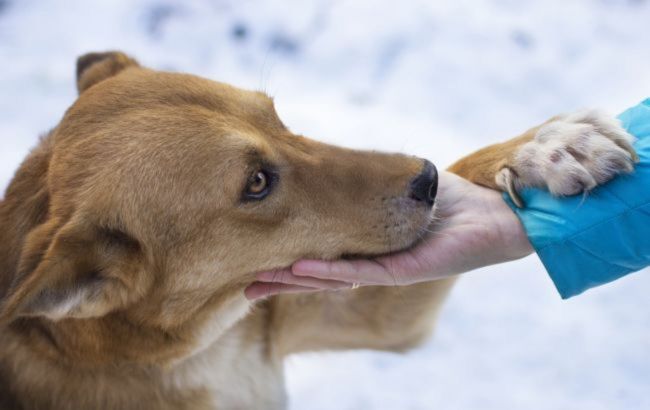 Experts reveal the one part of a dog's body that can indicate its overall health (photo: Magnific)
Paws are one of the clearest indicators of a dog's overall health. Their condition can reveal signs of injuries, infections, allergies, nutritional deficiencies, and other health issues, which is why veterinarians recommend checking your pet's paws regularly, HuffPost reports.
What to look for
Dr. Tom Vega said healthy paw pads should be firm, smooth, and free of significant damage. Their color should also match the dog's natural pigmentation.
"They should be thick enough to provide cushioning and protection without appearing swollen or overgrown," he said.
The same applies to a dog's nails. Healthy nails should be smooth, strong, and evenly shaped, with no splitting, crumbling, peeling, or deep grooves. Their color can range from clear or white to brown or black.
A dog's nails should not be so long that they click on hard floors or force the toes apart. Overgrown nails can change the way a dog distributes its weight while walking.
Paws can reveal overall health
Uneven nail wear is one sign that deserves attention. For example, if the nails on one paw are much shorter or more worn than the others, it could indicate that the dog is dragging that paw or altering its gait due to pain, weakness, arthritis, or a neurological condition.
The fur and skin around the paws can also provide important clues. When checking between the toes, look for redness, moisture, hair loss, swelling, oily skin, or scabs.
Reddish-brown staining on light-colored dogs often indicates excessive licking or chewing. This behavior may be caused by allergies, irritation, pain, a yeast infection, a bacterial infection, or a foreign object lodged in the paw.
Temperature is another often-overlooked detail. Paw pads that feel warmer than usual may indicate inflammation, infection, an allergic reaction, or recent contact with hot surfaces.
On the other hand, unusually cold paw pads can sometimes be a sign of poor circulation or other underlying health problems.
First sign of a paw problem
Sometimes a dog's behavior is the first indication that something is wrong. Excessive paw licking is one of the most commonly overlooked early warning signs of paw problems, along with reluctance or even aggression when someone tries to examine the paws.
A weekly paw inspection is a simple habit that can help you spot unusual issues such as ticks, cuts, or lumps.
Keeping your dog's nails at a healthy length is another easy way to support paw health.
Take your dog to the veterinarian immediately if it begins limping, holds a paw off the ground, or suddenly refuses to walk.
This material is for informational purposes only and should not be used for medical diagnosis or self-treatment. Our goal is to provide readers with accurate information about symptoms, causes, and methods of detecting diseases. RBС-Ukraine is not responsible for any diagnoses that readers may make based on materials from the resource. We do not recommend self-treatment and advise consulting a doctor in case of any health concerns.