Switzerland divides over population cap as majority votes against it

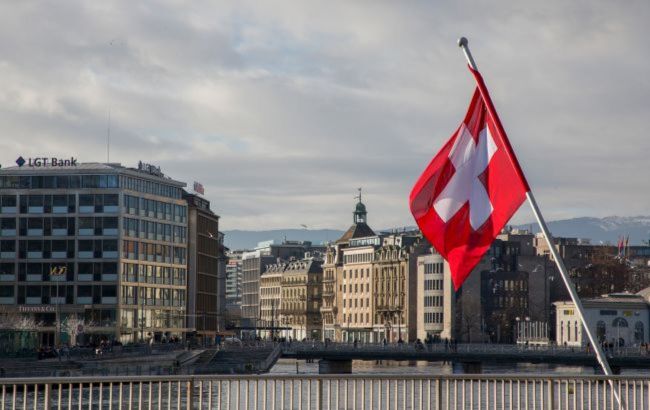 People were not convinced of effectiveness of the plan (photo: Getty Images)
On Sunday, June 14, Switzerland rejected the idea of limiting its population to 10 million. Voters prioritized economic stability and ties with the European Union over concerns about immigration, according to Reuters.
Based on the forecast by the national broadcaster SRF, which traditionally covers referendums, about 45% of voters supported the proposal, while 55% opposed it.
The vote, which was compared to the UK 2016 Brexit referendum, raised concerns among businesses. Entrepreneurs feared that backing the measure could end the free movement of labor between Switzerland and the EU — the country's main trading partner.
The proposal, actively promoted by the right-wing Swiss People's Party, called for the country's population not to exceed 10 million by 2050. It also stated that if the threshold were reached within two years, Switzerland should suspend free movement agreements with the EU.
According to Urs Bieri of the pollster GFS Bern, the initiative failed because, despite widespread concerns about population growth, voters were not convinced of the plan's feasibility and feared potential side effects.
"People were worried it could damage Swiss relations with the EU and make it harder to recruit staff, and find workers like carers. Also, there's a feeling that in the current international environment, it's not sensible for a small country to do this," he explained.
Notable that Switzerland's population already stands at 9.1 million and is growing much faster than in neighboring EU countries. Foreigners make up nearly 28% of the population, and official forecasts suggest it could reach 10 million by the early 2040s.
What else we know
In March, the Swiss government described stable relations with the EU as a strategic necessity. The public was therefore encouraged to support a new agreement with Brussels ahead of a nationwide referendum.
The agreement, signed in early March this year, would require the country to partially adopt European Union legislation.
However, it is not only the signing that matters — the document must also be approved in a Swiss referendum. The vote is expected to take place no earlier than next year.