7 countries with landscapes more breathtaking than Switzerland

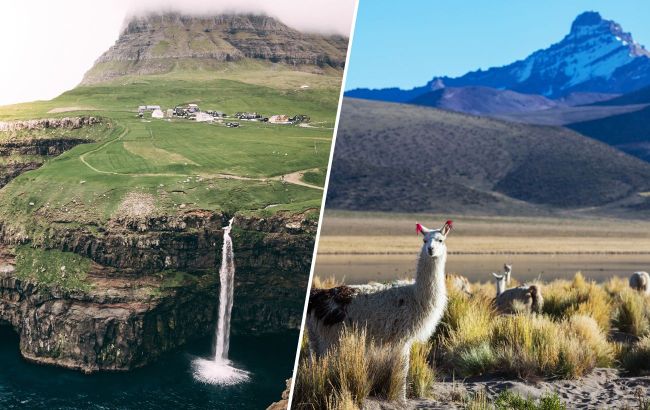 Seven countries in the world where nature is far more beautiful than Switzerland (RBC-Ukraine collage)
RBC-Ukraine presents seven incredible countries whose landscapes can rival Switzerland’s and make you feel like a tiny human in the middle of a vast and majestic universe.
In the travel world, Switzerland has long been considered the ultimate benchmark. It is the “gold standard” of natural beauty: whenever we see an emerald valley, a perfectly mirrored lake, and snow-covered peaks against a pale blue sky, the comparison instantly comes to mind — “Wow, it looks just like Switzerland.”
Yet there is another side to that perfection. Switzerland is so polished, predictable, and comfortable that it can sometimes feel like an incredibly expensive movie set. It is difficult to find the kind of raw wilderness that truly takes your breath away.
But the world is much larger than the Alps. There are places on Earth where nature was not designed to please tourists — it simply created something grand, wild, and cinematic.
Norway: where mountains plunge straight into the ocean
If Switzerland is a watercolor painting, Norway is a rugged Scandinavian blockbuster. Here, nature rejected all compromises. Mountains do not merely rise in the distance — they drop in giant vertical walls directly into the dark waters of the Atlantic.
Deep fjords that cut hundreds of kilometers into the land and roaring waterfalls plunging from skyscraper-high cliffs create a sense of untouched wilderness.
One of travelers’ greatest loves is the Lofoten Islands. Sharp, dragon-tooth-like peaks, cozy bays, and tiny red fishing cabins (rorbuer) perched on stilts look so surreal that your brain struggles to believe what your eyes are seeing.
Norway may not have Switzerland’s polished perfection, but it offers a scale and grandeur that captivate visitors forever.
.jpeg) Lofoten Islands (photo: Wikipedia)
Lofoten Islands (photo: Wikipedia)
Iceland: one step away from another planet
Some countries amaze with their architecture or culture, and then there is Iceland — an island that hardly feels like Earth at all. Within a relatively small area, it contains everything you would expect to find in a science-fiction novel about distant galaxies.
In Iceland, you can spend a single day driving through Martian-like lava fields covered in thick neon-green moss, peering into the crater of an active volcano, getting drenched by the spray of the mighty Skógafoss waterfall, and shivering on the black-sand beach of Reynisfjara, where furious Atlantic waves crash against the shore.
Add to that geysers shooting boiling water from beneath the ground and Diamond Beach, where massive chunks of centuries-old blue ice rest on black sand, and it becomes clear why Hollywood frequently uses Iceland as a stand-in for alien worlds and outer space.
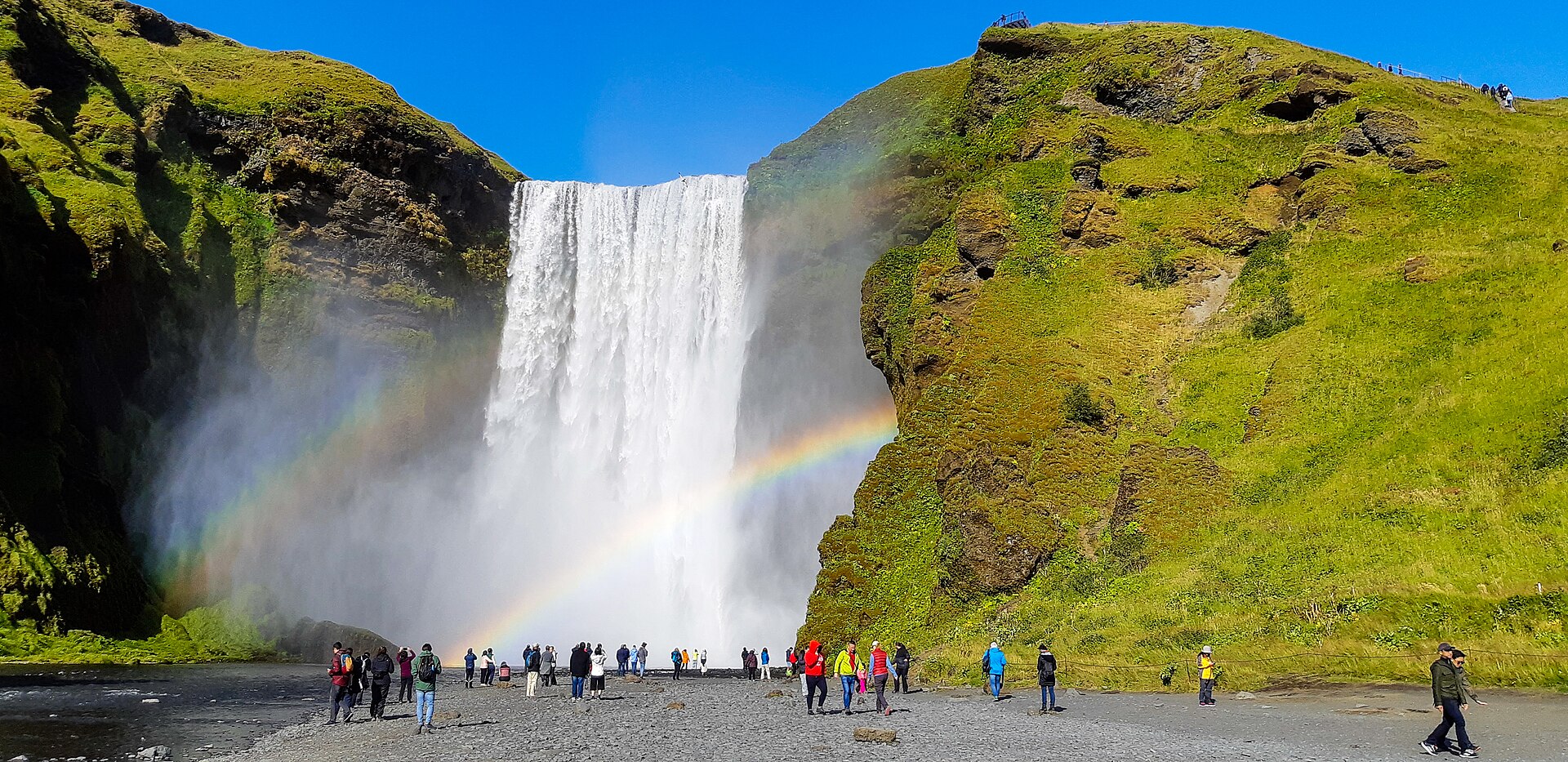 Skógafoss waterfall (photo: Wikipedia)
New Zealand: a real-life fantasy movie set
If nature decided to create its ultimate masterpiece by combining every type of landscape on Earth, it would probably call it New Zealand. This remote archipelago at the edge of the world seems to have been given everything at once.
On the South Island, visitors are greeted by the Southern Alps — rugged, snow-covered peaks with massive glaciers and the spectacular Milford Sound fjord, which was famously described by Rudyard Kipling as the eighth wonder of the world.
On the North Island, the mountains suddenly give way to lush emerald subtropical forests, the bubbling mud pools of Rotorua, and powerful geysers. It is no surprise that New Zealand became the real-life Middle-earth for The Lord of the Rings films — the landscapes were so extraordinary that they hardly needed any enhancement at all.
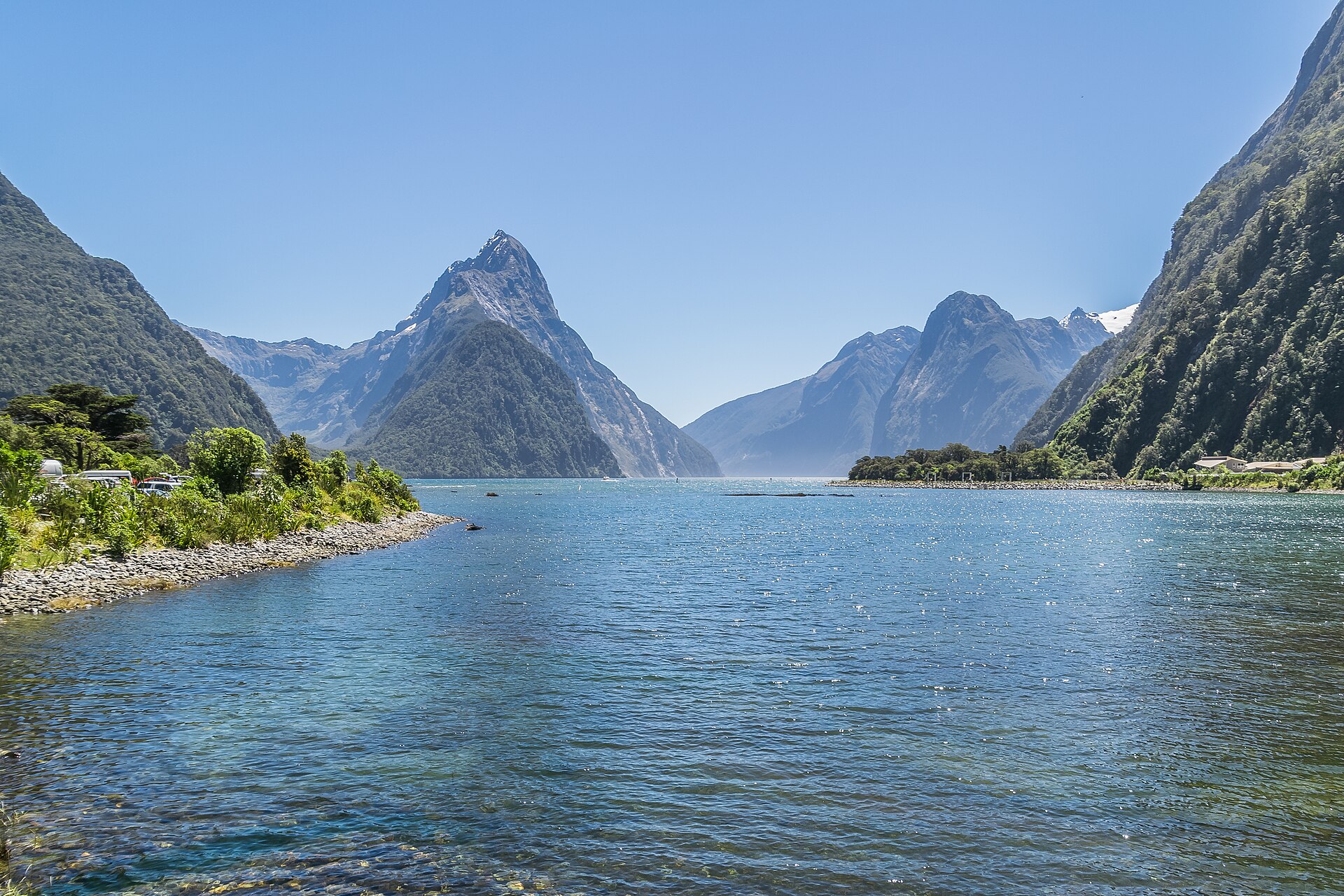 Milford Sound (photo: Wikipedia)
Canada: a scale beyond comprehension
Switzerland feels vast and spacious — right up until you arrive in the Canadian province of Alberta. In Canada, the concepts of space and distance take on an entirely different meaning. Here, wilderness stretches endlessly in every direction, and humans feel like temporary visitors in a much larger world.
The Canadian Rocky Mountains are thousands of kilometers of untamed nature. The famous Lake Louise and Banff National Park offer breathtaking views: crystal-clear turquoise waters reflecting enormous glaciers and endless conifer forests where you might encounter a grizzly bear or a moose.
This is pure, untouched freedom — the kind of vast wilderness that has become almost impossible to find in crowded Europe.
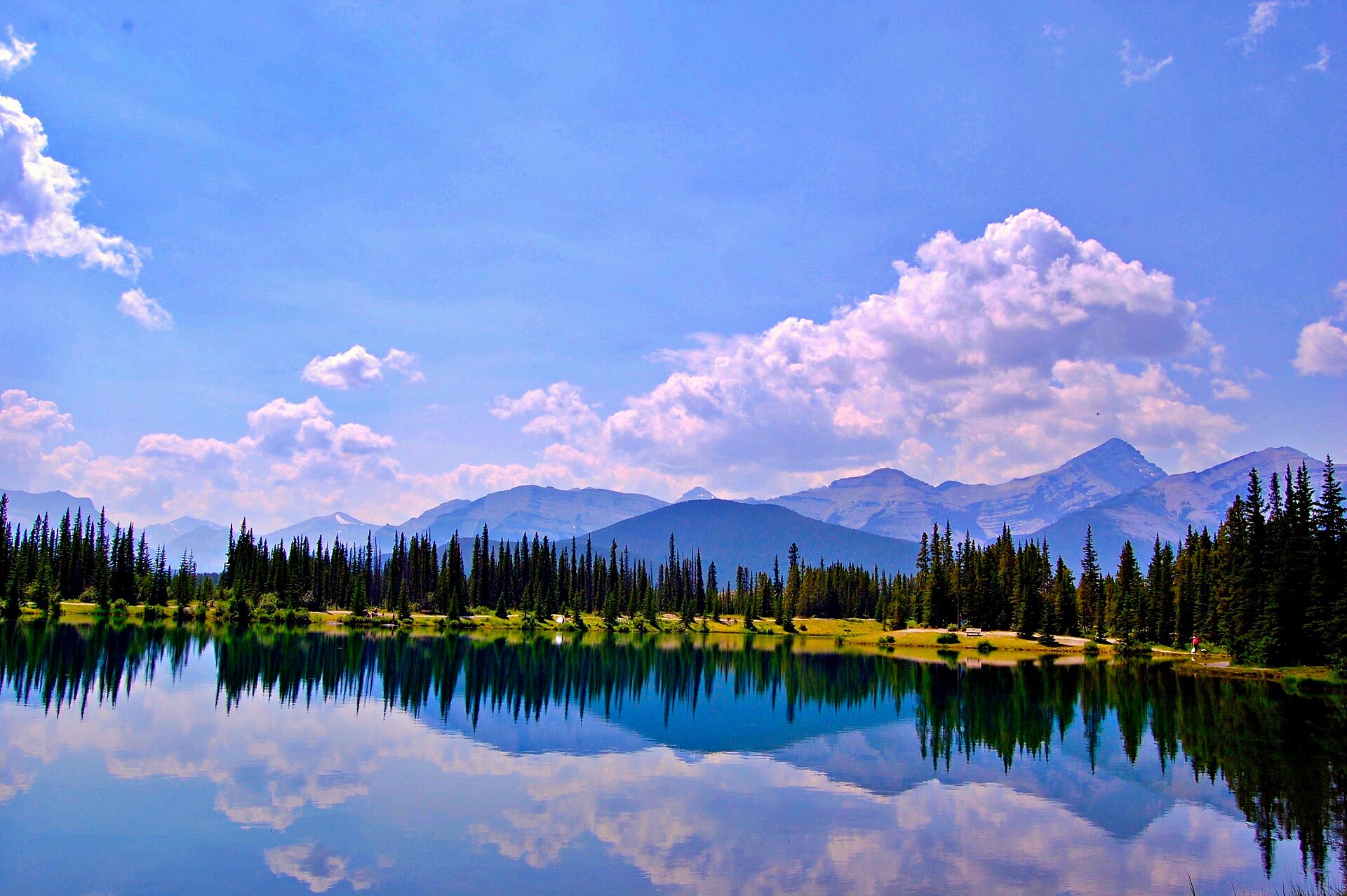 Rocky Mountains, Alberta (photo: Wikipedia)
Slovenia: Switzerland for insiders without the luxury price tag
This small Balkan country is one of the best-kept secrets among experienced European travelers. Slovenia is often overlooked in major travel guides — and that is a big mistake. In terms of landscape, it is remarkably similar to Switzerland, but it has two major advantages: far fewer tourists and no sky-high Swiss prices.
The fairy-tale Lake Bled, with its tiny island and church in the middle of the water, has long become the country’s signature landmark. But the real hidden gem is the Soča River Valley.
Its water is an intensely vivid emerald-turquoise color, so striking it looks as if tons of paint were poured into it on purpose. The Julian Alps of Slovenia are cozy, green, and incredibly photogenic.
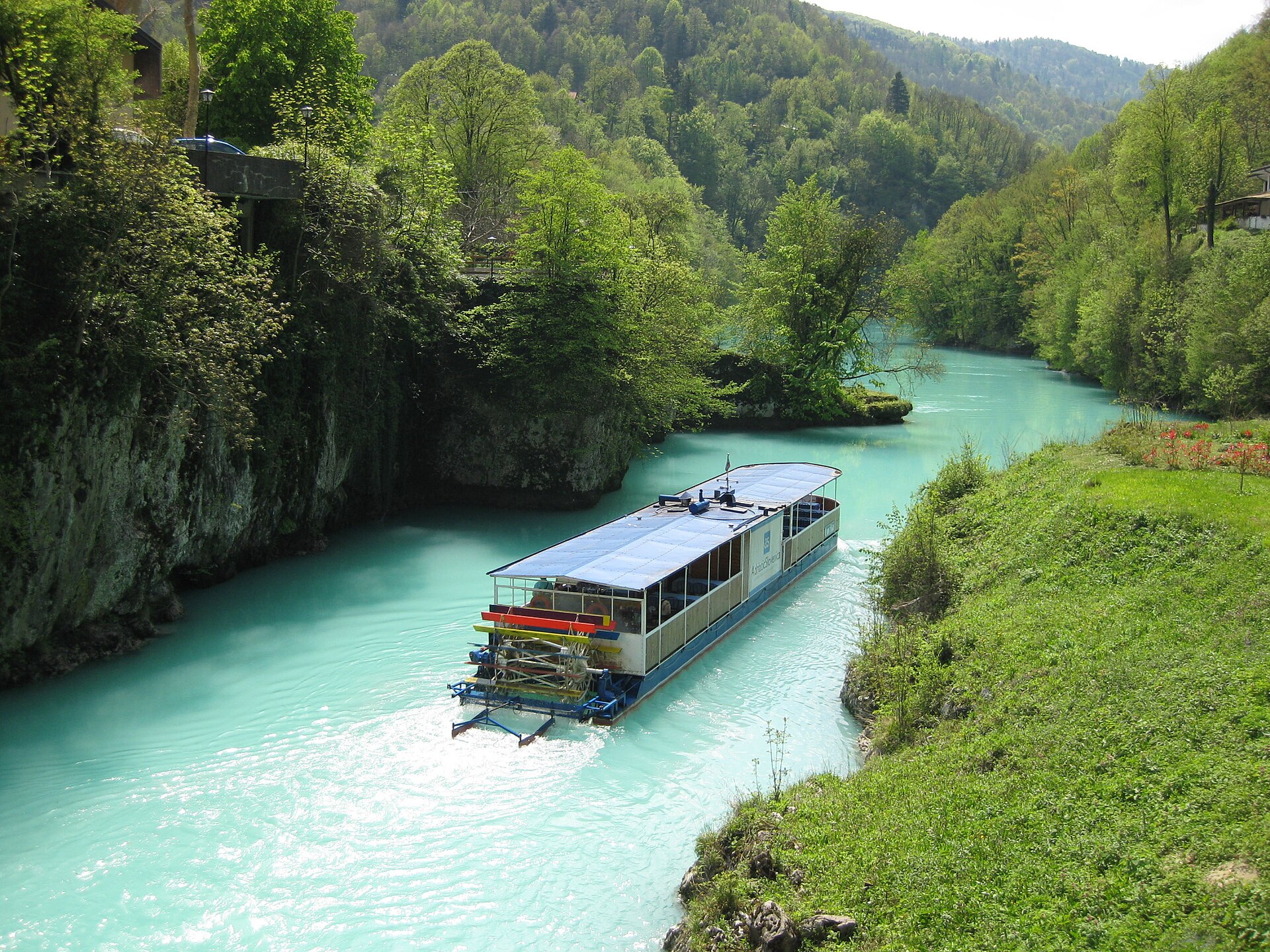 Soča Valley (photo: Wikipedia)
Chile: a country that fits an entire planet
Chile is a geographical phenomenon. It is a narrow strip of land stretching along the Pacific Ocean for 4,300 kilometers, squeezed between the sea and the towering Andes Mountains. Thanks to this unique shape, it contains almost every climate zone on Earth.
In the north, you’ll find the Atacama Desert — the driest desert in the world, where it can go years without rain, and the landscapes resemble the Moon. Moving south, you pass through fertile valleys, vineyards, and majestic volcanoes with snow-covered peaks, until you eventually reach Chilean Patagonia.
Torres del Paine National Park, with its granite tower-like peaks, turquoise lakes, and icebergs floating in fjords, is a sight that makes classic European mountains look like gentle hills in comparison.
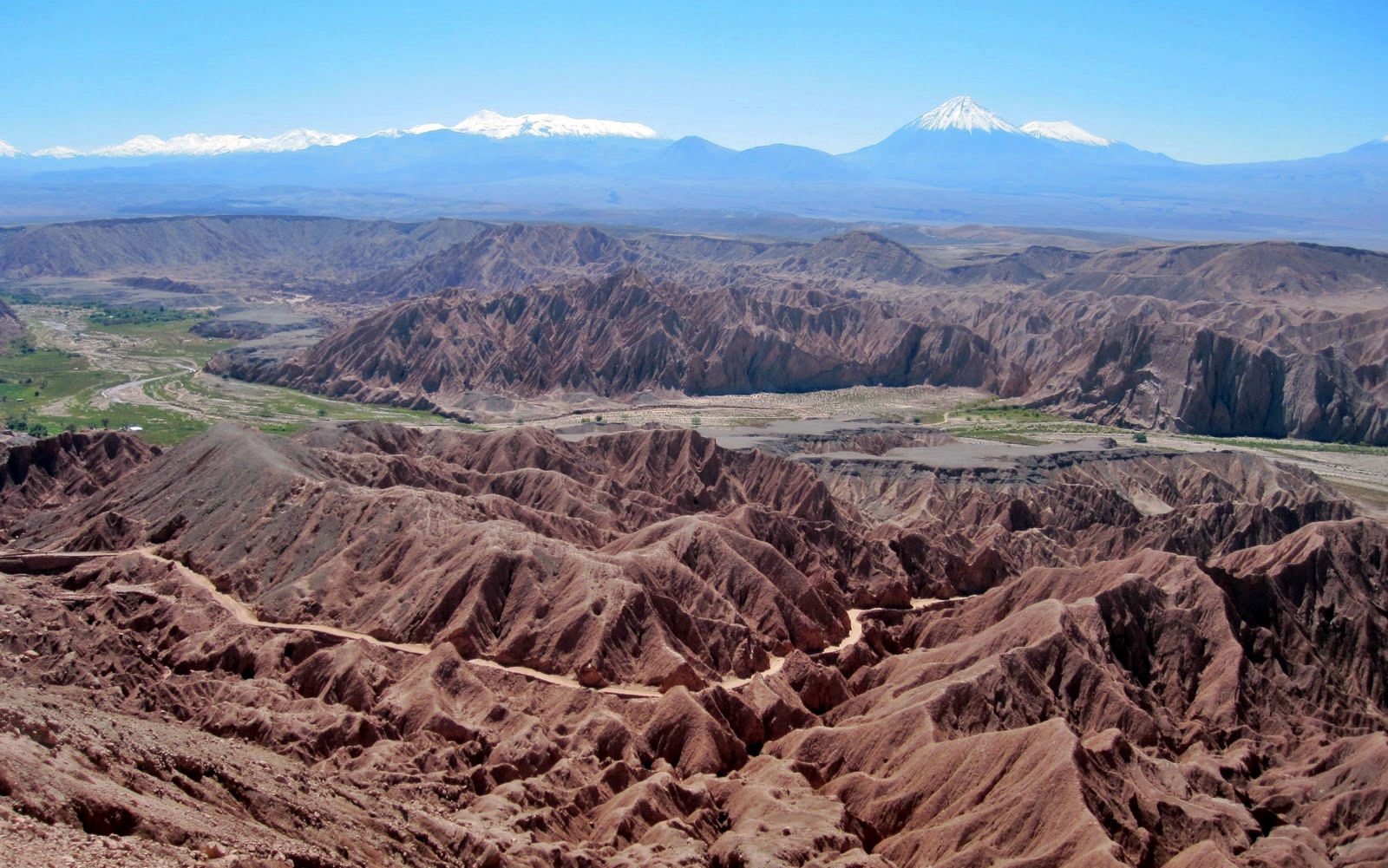 Atacama (photo: Wikipedia)
Faroe Islands: solitude on cliffs in the middle of the Atlantic
If you are tired of civilization and want to see Europe as it was before megacities and Instagram tourism, you need to visit the Faroe Islands. This archipelago, lost between Scotland and Iceland, still lives at its own calm and slightly mystical pace.
There are no forests here — only emerald-green cliff slopes dropping straight into a foamy ocean, endless mists rolling over mountain passes, and breathtaking waterfalls (including the famous Múlafossur, which plunges directly from a cliff into the sea).
There are more sheep than people in the Faroe Islands, and local villages with grass-covered roofs look like sets from ancient sagas. It is the perfect place for a complete mental reset.
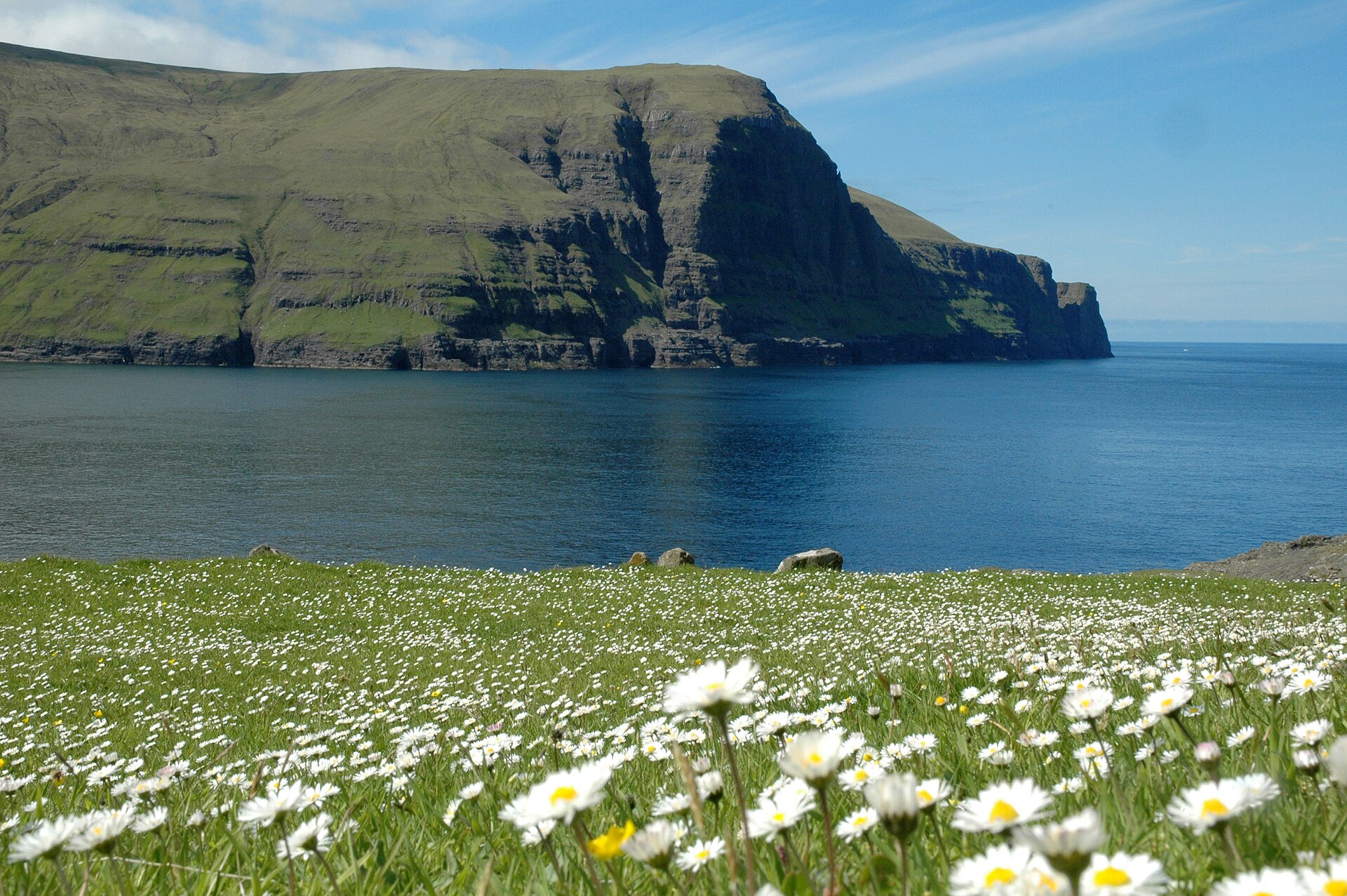 Faroe Islands (photo: Wikipedia)
Why Switzerland remains a love story
Does all of this mean that Switzerland is overrated and not worth visiting? Of course not. Switzerland is beautiful, but its beauty is different. It is safe, comfortable, and perfectly maintained — with flawless trains running to the second on the highest mountain passes, and coffee served at 3,000 meters above sea level. It is the perfect destination for a relaxed holiday.
However, a real journey often begins where comfort ends, and wild, untamed nature begins.
So if you want not just beautiful postcards, but a true sense of awe in front of the planet’s greatness — book a ticket north to the fjords, to the edge of the world in Patagonia, or to Iceland’s volcanic wonders. Because the most beautiful landscapes are the ones that leave you unable to believe your own eyes long after you’ve seen them.