Strait of Hormuz traffic reaches peak: Which countries got Iran's approval to pass

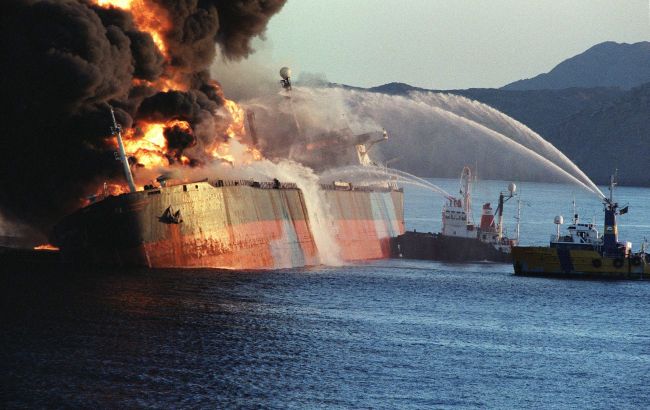 Photo: oil tanker in the Strait of Hormuz (Getty Images)
Traffic through the Strait of Hormuz, which Iran effectively closed at the start of its war with the United States, has reached its highest level in recent weeks. Over the weekend, 21 vessels passed through the narrow corridor — the highest two-week total since early March, Bloomberg reports.
How the safe passage works
Countries facing acute energy needs are striking individual agreements with Tehran to secure safe transit for their tankers. Iran grants exemptions and negotiates the withdrawal of vessels from the Persian Gulf. According to analysts at Kpler, this strengthens Tehran’s control over the strategic waterway.
"Iran is responding to requests from its partners while reinforcing its grip on Hormuz. Passage is still at Iran’s mercy, and the situation could change at any time if the conflict escalates," Muyu Xu, a senior crude oil analyst at Kpler Ltd., said.
Which countries and vessels passed through
- Iranian vessels traditionally dominate the traffic.
- Iraq received an exemption as a "brotherly" country. On Sunday, a tanker carrying Iraqi oil passed through the strait.
- India secured the exit of several of its vessels and, for the first time in years, received Iranian liquefied petroleum gas (eight LPG carriers).
- China — two container ships passed on their second attempt.
- Japan — two vessels also received permission.
- Pakistan was offered 20 slots for vessel evacuation.
- Ships under the flags of Türkiye, Greece, and Thailand also transited.
Routes and payments
Most green-lit vessels pass along Iran’s coastline, but an increasing number are choosing the alternative route along Oman. Oman confirmed it is holding talks to facilitate transit.
Iran is pushing a law to formalize transit payment systems. Tehran says it will allow ships to pass only after collecting fees to cover war-related losses.
The war involving the United States and Israel against Iran is now in its sixth week. The Strait of Hormuz is a narrow corridor through which about 20% of the world’s oil passes.
Iran effectively closed it to commercial shipping immediately after US strikes began in late February, triggering a record surge in oil prices.
Talks on reopening the strait have so far failed. On April 5, US President Donald Trump gave Iran a deadline to reopen the strait by Tuesday evening, April 7, warning that otherwise all of the country’s power plants would be destroyed.
The same day, Iran set a condition: Tehran would reopen the strait only after receiving compensation for war-related damages.
On Monday, April 6, Reuters reported that Iran refused to unblock the strait even in exchange for a temporary ceasefire. The proposal, aimed at achieving peace in the Middle East, was put forward by Pakistan, but Tehran rejected it.