Satellite images reveal kilometer-long fuel lines in Russia - Media

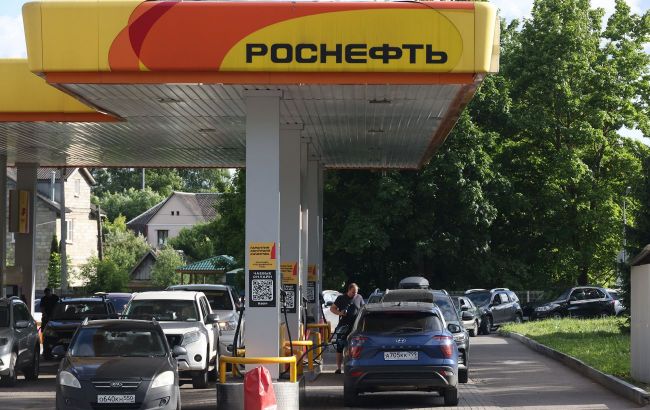 Photo: Satellite captures gasoline shortage in Russia (Getty Images)
Russia's large-scale fuel shortage has reached such proportions that huge lines of vehicles at gas stations have even been captured in satellite imagery, according to the BBC News Russian Service Telegram channel.
Fuel crisis visible from space
BBC Verify identified a kilometer-long queue at a Rosneft gas station near the settlement of Atamanovka in Russia's Zabaykalsky Krai on an Airbus satellite image taken on the morning of July 3.
Satellite data expert Paul Brown confirmed that the image clearly shows a buildup of vehicles in front of the gas station.
Earlier, a video from the same location dated July 2 was published online. It showed a line of vehicles stretching about 4.5 kilometers and consisting of at least 635 cars.
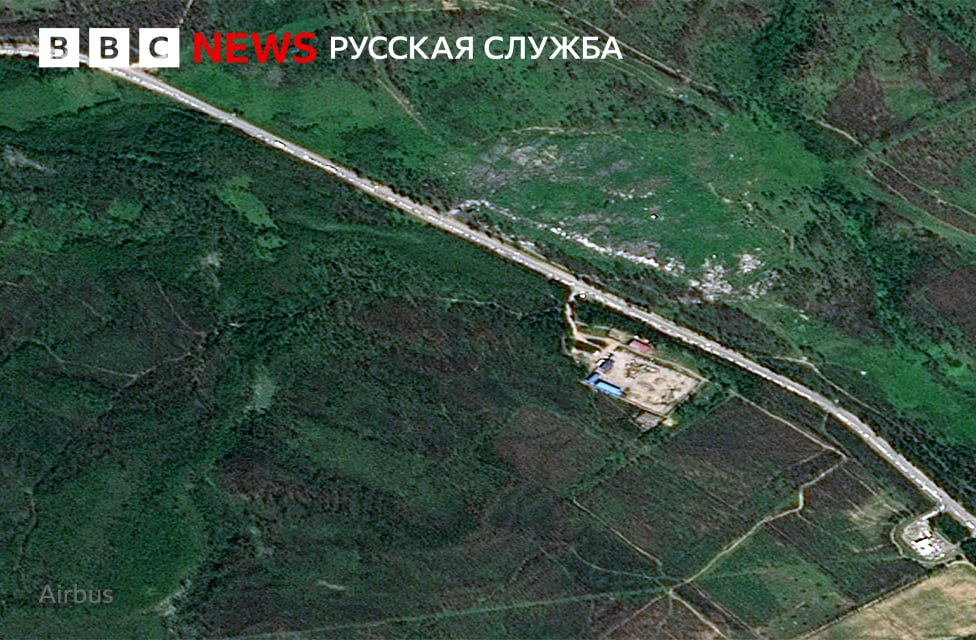
Photo: Satellite captures gasoline shortage in Russia (t.me/bbcrussian)
Shortages spread to more than a dozen regions
As of now, journalists have verified videos showing similar lines at gas stations in 13 Russian regions, including Moscow and the Moscow region.
As the fuel situation has worsened, some Russian regions have begun deploying law enforcement officers and community groups to maintain order at gas stations. Police patrols, Cossack groups, and members of the Russkaya Obshchina organization have been involved in managing the queues.
Fuel crisis in Russia
Russia's large-scale shortage of automotive fuel began escalating rapidly in late June and early July 2026. Gasoline and diesel shortages have affected more than a dozen regions across the country, prompting local authorities to deploy security personnel to maintain order at gas stations.
In June, Russian President Vladimir Putin publicly acknowledged a fuel shortage in Russia, saying that strikes by Ukraine's Defense Forces on critical infrastructure were creating problems. In particular, fuel reserves in temporarily occupied Crimea were sufficient for only a few days, compared to a monthly demand of 70,000 tons.
Just days later, retail gasoline prices in Russia reached new record highs, posting their largest weekly increase in at least 20 years amid a new wave of Ukrainian strikes on oil refineries.
The average price of gasoline rose to 72.38 rubles per liter, while diesel fuel climbed to 84.84 rubles per liter. Overall, Ukraine has carried out more than 50 strikes on Russian oil-processing facilities since the beginning of 2026.
The situation deteriorated further in early July when Novorossiysk completely ran out of gasoline, and refueling became possible only with special fuel cards issued for the service vehicles of legal entities. Due to massive queues and panic among drivers, local gas stations began to be monitored by police units and volunteers.