Russia uses weather to plan Shahed drone attacks on Ukraine

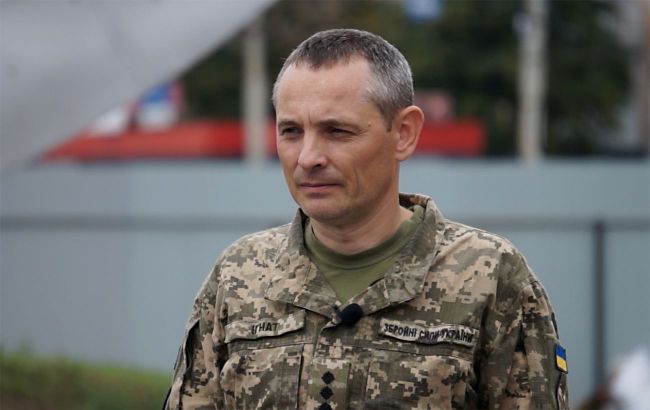 Yurii Ihnat, head of communications for the Ukrainian Air Force Command (photo: Suspilne Media)
Russia has already launched around 7,700 jet-powered Shahed drones at Ukraine and developed new tactics for their use, according to Yurii Ihnat, head of communications for the Ukrainian Air Force Command.
Russia takes weather into account and uses new tactics
When using jet-powered drones, Russian forces:
-
Develop new tactical approaches.
-
Take weather conditions into account.
According to Ihnat, their use depends to some extent on weather conditions. Russia decides whether to launch a conventional Shahed or a jet-powered version.
"The first thing the enemy will look at is the weather conditions along the flight route and in the area of the target it wants to strike. If there is fog or cloud cover, it will make the work of Ukrainian air defenses more difficult. They understand this very well," Ihnat said.
He added that Russian forces are developing new tactical approaches when launching strike drones against Ukraine. In September, there were several waves involving large numbers of conventional Shaheds heading toward western Ukraine. Earlier, however, Russia used stockpiled jet-powered drones.
Russia increases jet-powered drone attacks
According to Ihnat, Russia is using more and more jet-powered Shaheds.
In less than a full month of September, Russian forces used around 1,900 jet-powered strike drones in attacks on Ukraine.
"For comparison, there were 2,800 over the whole of July. The interception rate is 60%, which is quite high given the current capabilities of the Defense Forces," Ihnat said.
What about jet-powered interceptors
Ihnat also commented on innovative weapons such as interceptors for jet-powered Shaheds.
"There has been a lot of discussion about confirmed interceptions, even using copter-type interceptors. This is possible when a jet-powered drone is flying at a relatively low speed and low altitude," he said.
At the same time, the future lies, in particular, with jet-powered interceptor drones, the military official said.
How to intercept Zircon missiles
Ihnat also noted that it is vital for Ukraine to quickly receive information about the launch of high-speed missiles such as the Zircon. Russian forces use them against ground targets even though they are anti-ship missiles.
"They have repeatedly been launched from Crimea against ground targets, and there have already been many uses of these missiles. The two launched yesterday, although they were fired from the north, did not reach their targets... There have been similar cases with Kinzhals," Ihnat emphasized.
These missiles travel at speeds of around 10,000 kilometers per hour. This means there are only minutes, or even seconds, to respond, Ihnat noted.
"We are counting on our Western partners, who can share this information from NATO centers about launches of ballistic, aeroballistic or anti-ship missiles and alert us, and we then inform the public," the military official added.
Russia has also been experimenting with using FPV drones together with Shahed strike drones.
In addition, Russian jet-powered drones differ from conventional Shaheds in their speed and flight altitude. This makes them much more difficult to shoot down, Ihnat noted.