Russia's oil exports drop by nearly 17% after port strikes, Ukrainian official says


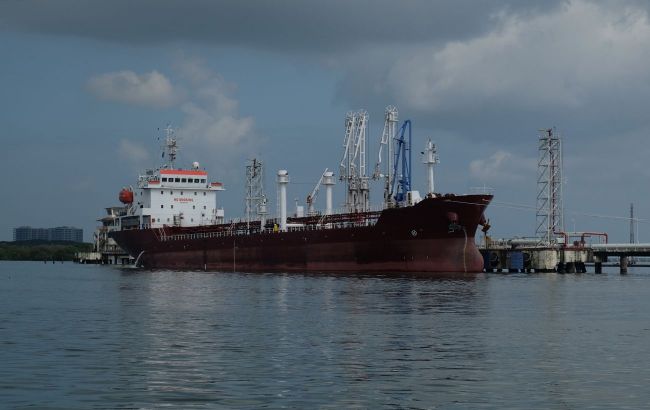 Photo: oil tanker (Getty Images)
The decline in Russia’s oil exports is being linked to strikes on key logistics hubs along the Baltic route, stated the Commissioner of the President of Ukraine for Sanctions Policy, Vladyslav Vlasiuk, in a comment to journalists.
According to him, the most notable drop is being recorded in this region. Data from the Black Sea Institute of Strategic Studies show that in April, Russian oil exports fell by 16.8% — nearly 1.8 million tons compared to March.
This trend is attributed to the impact of so-called kinetic sanctions — strikes on key ports such as Primorsk and Ust-Luga, which handle a significant share of exports.
"This is a direct effect of targeting key export infrastructure," Vlasiuk said.
At the same time, Russia is trying to offset the losses through other routes, including the Black Sea, where it is increasing shipment volumes.
"This means that overall, sanctions pressure is delivering results and helping reduce Russia’s oil export volumes," he added.
Ukraine’s long-range strikes on Russia's targets
Ukraine continues to pressure Russia’s key energy infrastructure. Strikes on ports and oil refining facilities are seen as part of a strategy to cut Moscow’s revenues from energy sales.
In particular, Ukrainian President Volodymyr Zelenskyy has previously pointed to critical losses at Russian oil ports, stressing that the combination of strikes and "long-range" sanctions is already leading to reduced exports.
The intensity of attacks on distant targets has increased. Ukrainian drones, in particular, struck one of Russia’s largest oil refineries more than 1,500 kilometers from the border.
Following the strike, a fire at the facility could not be extinguished for an extended period. A thick smoke was rising above the site, and evacuation was carried out.
Satellite images have also captured the aftermath of the third strike in a month on the Tuapse oil refinery, indicating serious damage to the infrastructure.