Russia's budget deficit exceeds annual plan: Intelligence reports major losses

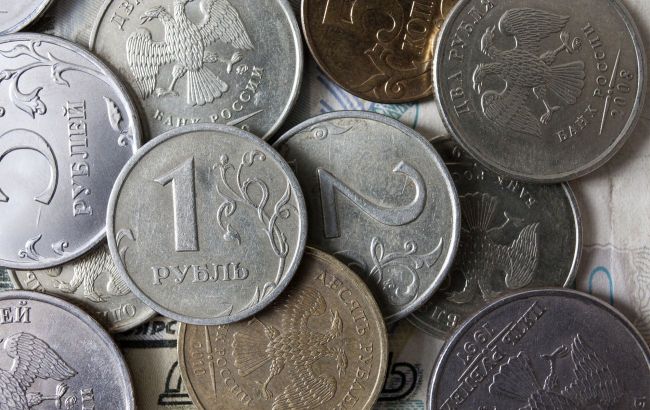 Annual deficit may exceed plans by two times (photo: Getty Images)
Russia's federal budget for January–February 2026 was executed with a deficit of 69.9 billion dollars — almost twice the previous estimate of the Ministry of Finance (43.3 billion) and already exceeding the annual planned figure of 50.5 billion dollars, according to the Foreign Intelligence Service of Ukraine.
Discrepancy in reporting
The situation is complicated by an unprecedented discrepancy between the data of the federal treasury and the Ministry of Finance. The treasury recorded revenues at 31.36 billion dollars, while the Ministry of Finance reports 59.79 billion — almost double the difference.
Expenditures, however, practically coincide (101.47 billion versus 103.10 billion). Western economists explain this by systemic uncertainty in accounting and the overstatement of revenues in forecasts.
Collapse of oil and gas revenues
The main factor of the failure is oil and gas revenues, which in the first quarter of 2026 decreased to 18.1 billion dollars, which is 45.5% less than a year ago.
This is the worst result since 2022. At the same time, expenditures remain inflated due to allocations for security and defense, creating a structural imbalance.
Forecasts
Russian analytical centers, in particular the pro-Kremlin CMACP, predict that the annual deficit may exceed official plans by two to three times, especially if energy revenues do not recover and spending continues to grow.
The deficit will have to be covered by balances in treasury accounts and privatization — sources that do not ensure long-term sustainability.
The budget deficit of Russia for January–February exceeded the annual plan amid contradictory trends.
On the one hand, in April Russia expects a doubling of revenues from the oil extraction tax — about 9 billion dollars — due to a jump in global prices caused by the war in Iran.
On the other hand, the Kremlin's oil and gas revenues in the first quarter of 2026 decreased almost twice compared to the same period last year, and Ukrainian attacks on Russian oil infrastructure (refineries, terminals) further undermine export potential.
In addition, sanctions are forcing Russia to sell off gold reserves (the lowest level since March 2022), exchanging the metal for yuan.