Russia poisons river in two countries: Ukraine prepares appeal to UN

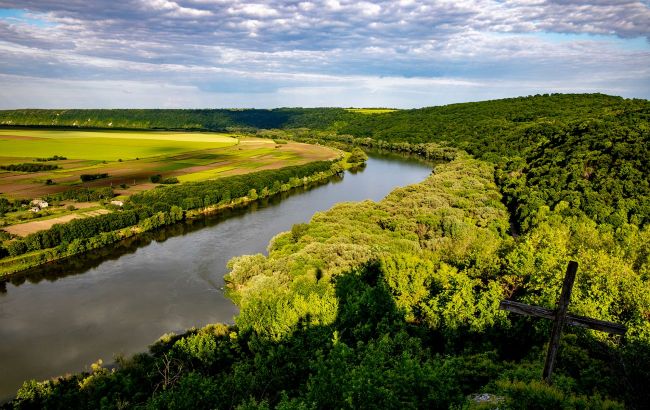 Illustrative photo: Dniester River – an important source of drinking water (Getty Images)
Following a Russian attack on the Dniester Hydroelectric Power Plant, oil products spilled into the river, creating an environmental threat for Moldova. Chisinau has already deployed the army and appealed to the European Union for assistance, according to NewsMaker.
According to the Moldovan prime minister, the country needs a rapid mobilization of specialists and equipment to contain oil slicks and test water quality. Currently, teams from Moldova, Romania, and Ukraine, as well as units of the Moldovan National Army, are already working to mitigate the consequences on the Dniester.
"We are requesting support from our European partners for the swift mobilization of specialist teams and the necessary equipment to operate on the Dniester. This includes equipment for capturing, containing, and removing oil pollution from the water, as well as mobile stations for water quality testing," he said.
Environment Minister Gheorghe Hajder warned that settlements in northern Moldova could be left without a water supply. A yellow-level alert has already been declared in the area of Naslavcea village.
"The Ukrainian side is carrying out work on its section of the riverbank this morning. Specialists from Romania are installing additional water purification filters," Hajder added.
Fishing has also been banned in the Naslavcea–Dubăsari section until April 1. Military personnel from the National Army have already arrived in northern Moldova to assist authorities in addressing the environmental threat.
Ukraine’s reaction: Russia is provoking another crisis
Ombudsman Dmytro Lubinets emphasized that the river pollution is a direct consequence of Russia’s strike on the Dniester Hydroelectric Power Plant. The attack caused a leak of technical oils, which were carried by the river into the territory of the neighboring country.
"By attacking hydroelectric facilities, the enemy is deliberately provoking a humanitarian crisis in two countries at the same time. This is an assault on the basic right of millions of people — the water right. Terror does not have a local scale — it threatens the entire European security system," the ombudsman stated.
He added that such actions by Russia constitute a gross violation of the Geneva Conventions. Letters are now being prepared for the UN demanding that this act of ecocide be documented and that the aggressor’s actions receive an international legal assessment.
On March 12, it was officially reported that following another Russian attack on the Dniester Hydroelectric Power Plant, technical oils leaked into the Dniester River. The pollution spread into Moldova, creating a worrying situation.
The Dniester River is one of the key sources of water supply for the cities of Odesa (Ukraine) and Chisinau (Republic of Moldova), and the contamination poses a serious threat to the population and aquatic ecosystems.