Russia named main threat to elections in Denmark

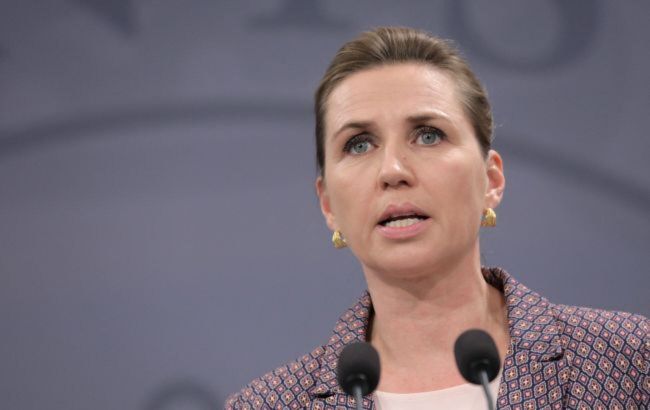 Photo: Danish prime minister Mette Frederiksen (Getty Images)
Denmark’s security and intelligence service warned of risks of foreign interference in the March 24 parliamentary elections, identifying Russia as the primary threat and naming the United States and China as potential sources of influence, according to Bloomberg.
Read also: Denmark rushing to hold early elections because of Trump
Risk of election interference
In a statement released Friday, Denmark’s intelligence service said it is "highly likely" that Moscow views the country as a priority target for influence operations due to its support for Ukraine.
The report also highlighted tensions surrounding Greenland, a semi-autonomous territory of the Kingdom of Denmark.
Officials said US efforts to strengthen its role on the Arctic island are fuelling information campaigns that could affect the election environment.
"The US focus on the Kingdom has furthermore created new international lines of conflict that foreign states such as Russia and China can exploit for influence purposes," the agency said.
Geopolitical context and Greenland
Prime Minister Mette Frederiksen previously called early elections amid tensions with President Donald Trump over Greenland.
The campaign is taking place during one of the most strained periods in transatlantic relations in decades.
Methods of potential pressure
The report states that Russia is conducting hybrid operations against the West, while China is expanding global influence through economic and military tools.
US-related interference, it said, could come from a broad range of actors, including those without formal links to the US administration.
The intelligence service warned influence campaigns may deepen social divisions, shape political debate, and affect individual candidates.
Likely tools include disinformation, limited cyberattacks, and the threat of more significant digital operations.
In December, Denmark’s defence intelligence service, for the first time, identified the United States as a potential risk factor to national security.
Denmark also plans to strengthen its military presence in Greenland, including deploying a floating barracks using the former Soviet vessel Konstantin Simonov, now operating as MS Ocean Endeavour.
Copenhagen and Washington continue consultations on Greenland’s future, partly aimed at reducing tensions and addressing concerns raised by President Donald Trump.