Russia changes its Shahed attack tactics against Ukraine's Zaporizhzhia: Details

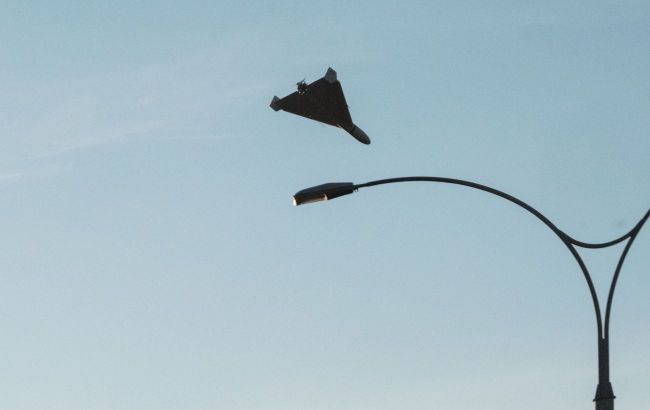 Illustrative photo: Russia has changed its Shahed attack tactics against Zaporizhzhia (Getty Images)
Russian forces have lowered the operating altitude of Shahed-type attack drones during strikes on Zaporizhzhia in an attempt to bypass Ukraine’s air defense system, according to a statement by Ivan Fedorov, head of the Zaporizhzhia Regional Military Administration.
According to him, whereas the enemy previously launched drones at altitudes of 3,000 – 4,000 meters, during the latest attack on Zaporizhzhia, the UAVs were flying at around 250 meters.
In this way, the Russian army is constantly trying to adapt its weapons tactics and identify weak points in Ukraine’s defenses.
Fedorov also noted that the Russian army had earlier actively used the Dnipro riverbed to launch Shahed drones and Molniya-type UAVs, but this tactic is no longer effective.
At the same time, he declined to disclose the new launch routes for the drones.
Separately, the head of the Regional Military Administration emphasized that the effectiveness of Molniya drone attacks on Zaporizhzhia has dropped significantly. According to him, fewer than 10% of such UAVs reach the city.
"The enemy launches dozens, but, for example, only two get through. There was a day when we shot down 86 Molniyas. This is a separate, major effort," Fedorov concluded.
Attacks on Zaporizhzhia
Zaporizhzhia and the surrounding region come under daily attacks by Russian forces, who use drones, missiles, and artillery.
Earlier today, January 6, the enemy struck a police vehicle with an attack drone, injuring three people.
The attacks did not stop during the New Year holidays.
On the night of January 2, Zaporizhzhia suffered one of the most massive drone attacks. Residential buildings, commercial facilities, and infrastructure were hit, with dozens of homes and business premises damaged.
On the evening of January 1, Russian forces carried out about 10 strikes on the city, triggering fires.
On December 31, the air raid alert in the Zaporizhzhia region lasted more than four hours, and explosions were heard in the city itself.
Later, the head of the Zaporizhzhia Regional Military Administration, Ivan Fedorov, reported that the attacks caused several fires and hit an industrial infrastructure facility.