Russia begins work on world’s largest manganese deposit located in occupied Zaporizhzhia region

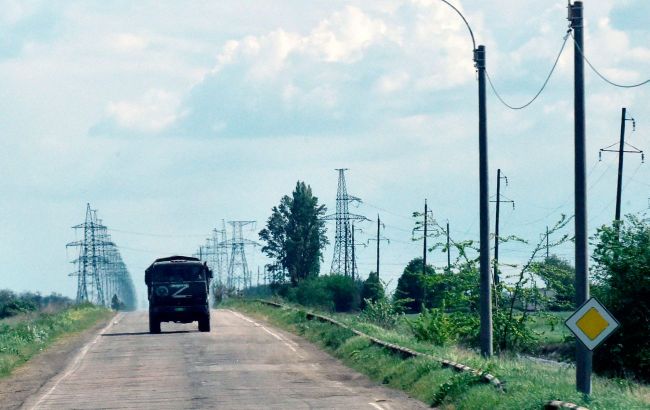 Photo: Russian troops (Getty Images)
The Russian company Reale Engineering Invest has obtained a license to develop the Velyko-Tokmak manganese deposit in the occupied part of the Zaporizhzhia region, according to The Moscow Times.
Development of the deposit in occupied territory
The Russian company Reale Engineering Invest has begun implementing a project to develop the Velyko-Tokmak manganese deposit in the occupied part of the Zaporizhzhia region.
According to sources, the mining license was issued in February 2026, and geological exploration work started as early as April.
According to registration data, 25.1% of the company is controlled by a structure linked to Rostec (a major Russian state-owned defense and industrial conglomerate) — LLC RT-Business Development.
Scale of reserves and significance of the project
The Velyko-Tokmak deposit ranks among the five largest in the world in terms of manganese reserves, estimated at around 1.7 billion tonnes.
These figures significantly exceed Russia’s largest similar sites, including the Usinsk deposit in the Kemerovo region and the Porozhinskoye deposit in the Krasnoyarsk region.
At the same time, industrial manganese production in Russia is carried out at only one deposit in Bashkortostan, while more than 90% of this metal is imported.
Construction and extraction plans
Construction of a mineral processing plant has already begun near the deposit, with plans to create around 3,000 jobs.
According to sectoral estimates, the deposit could produce up to 1.7 million tonnes of manganese per year, compared to Russia’s current demand of 1.3 million tonnes.
The manganese content in the ore exceeds 25%, and reserves are expected to last for approximately 100 years of development, according to industry experts.
Risks and investment
The project will require significant investment, including the clearing and draining of old workings, which could raise total costs to up to 100 billion rubles.
Participation by structures linked to Rostec may provide the project with access to preferential financing.
At the same time, prospects remain uncertain due to ongoing crises in the metallurgy sector, as well as continued strikes in the occupied territory of the Zaporizhzhia region.
In temporarily occupied Crimea, Ukrainian Defense Forces strikes damaged two Russian oil depots, as confirmed by satellite imagery.
The Security Service of Ukraine (SBU) reported that, during a joint operation with the Defense Forces, strikes were carried out on the Tuapse oil refinery and on oil transport infrastructure facilities in the port of Tuapse.