Rubio ends debate over US NATO membership

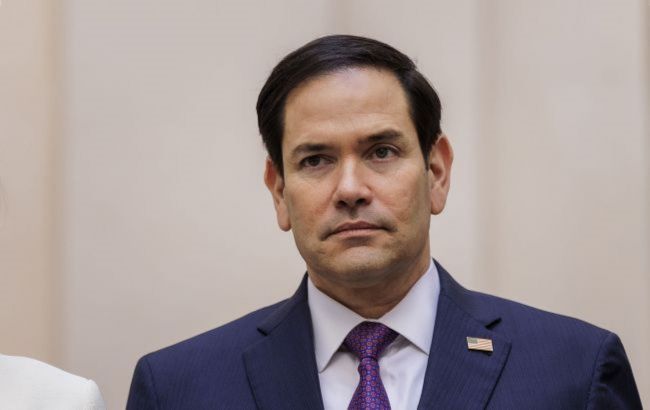 Marco Rubio (photo: Getty Images)
The US has no plans to exit NATO, emphasizing that troop movements between countries have always been routine, US Secretary of State Marco Rubio said during a joint press conference with Slovak Prime Minister Robert Fico.
Read also: US plans to reduce personnel and NATO advisory involvement, media report
"I don't understand—the United States has thousands and thousands of troops deployed to the NATO mission. And we've made it very clear, that was made very clear at the summit just a few days ago, or at the defense ministers' level—we are not leaving NATO," the US Secretary of State said.
He added that the US can move several thousand troops from one country to another as needed, noting that such movements have always occurred.
Rubio also stressed that no duty is more important to any nation than protecting its people and territory.
"By the way, we are not threatened or feel it is hostile to see NATO growing in some capabilities… The stronger the members of NATO are, the stronger NATO is," the US Secretary of State noted.
US withdrawal from NATO
In December 2025, Republican Representative Thomas Massie introduced a bill to withdraw the US from NATO.
"NATO is a Cold War relic. The United States should withdraw from NATO and use that money to defend our country, not socialist countries. Today, I introduced HR 6508 to end our NATO membership," he argued.
Massie's bill noted that NATO was created to counter the USSR, which dissolved over 30 years ago.
Politico reported at the time that NATO had no contingency plans in case the US decided to leave the alliance.
However, Washington has repeatedly affirmed that the US will remain in NATO. In January, Treasury Secretary Scott Bessent stated that the US will stay in the alliance.
Recently, Deputy Secretary of Defense Elbridge Colby also confirmed that the US has no intention of leaving NATO, but emphasized that the alliance must return to its original purpose.
Also, the NATO 3.0 concept envisions a more Cold War-style realism, meaning European allies must take the lead in defending Europe.