US is not abandoning NATO. Pentagon explains Trump’s foreign policy

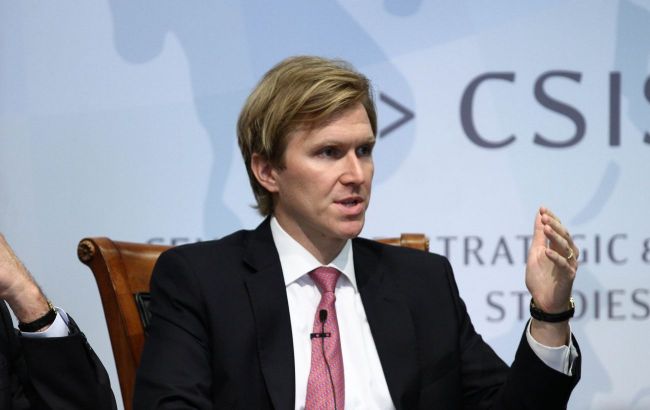 Photo: Elbridge Colby, US Deputy Secretary of Defense (Flickr / csis_er)
The unipolar world that emerged after the Cold War no longer exists. NATO must return to its original purpose, US Deputy Secretary of Defense Elbridge Colby said this at a meeting of NATO defense ministers.
Read also: Trump administration clarifies US stance on NATO membership
US is not abandoning NATO
"The world that shaped the habits, assumptions, and force posture of NATO during the so-called 'unipolar moment' following the Cold War no longer exists. Power politics has returned, and military force is again being employed at a large scale," Colby said.
According to him, under these conditions, the US is prioritizing:
-
The defense of US territory and interests in the Western Hemisphere;
-
Strengthening deterrence in the western Pacific;
-
Ensuring America, together with its allies, is prepared for the possibility that potential adversaries may act simultaneously.
"These realities compel us to think clearly, soberly, and realistically about how we defend ourselves - and how we do so together in a way that is sustainable, sensible, and enduring. Times have changed, and it is only prudent that we adapt to meet them. This is not an abandonment of NATO," emphasized the US Deputy Secretary of Defense.
NATO 3.0
Separately, the official noted that after the collapse of the USSR, the Alliance transformed into NATO 2.0, when the focus was on "out-of-area" operations and the liberal world order. According to the Pentagon, this approach no longer meets the current challenges.
Colby emphasized that the concept of NATO 3.0 should be closer to the realism of the Cold War era (NATO 1.0).
What NATO 3.0 means:
-
European allies should take the lead in defending Europe.
-
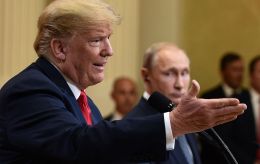
Combining strengthened defense with diplomatic initiatives. As an example, Colby cited former President Trump’s efforts to simultaneously strengthen NATO and negotiate an end to the war in Ukraine.
Earlier, US Senator Marco Rubio, speaking before the Senate committee, emphasized the need to rethink NATO’s role in the 21st century.
The main focus of US diplomacy is that European countries need to significantly increase their defense capabilities rather than rely solely on Washington’s support.