Romania tests smart Sahara cruise missile

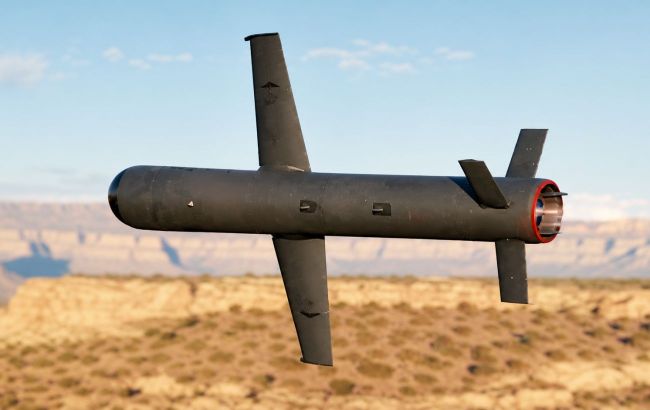 Photo: Sahara rocket (screenshot from an Oves Enterprise video)
The Romanian company Oves Enterprise has completed the first tests of the Sahara winged missile, which is guided by artificial intelligence. This is the first practical testing phase for the project, which the company unveiled earlier in 2026.
Сompany announces first successful test
Oves Enterprise notes that developing a cruise missile is no easy task, but the team managed to complete the first tests of the Sahara. According to the developers, the project's goal is to build the world's smartest cruise missile, powered by years of research and development in Nemesis AI technology.
The company calls this an important milestone for the team and emphasized that work on the project is ongoing.
Sahara missile
Sahara is an affordable, AI-controlled winged missile being developed by Oves Enterprise in Romania. The missile's launch weight is 55 kilograms, of which up to 10 kilograms is the warhead. The missile is equipped with a turbojet engine and uses about 20 kilograms of fuel, allowing it to reach an operational range of up to 200 kilometers.
The Sahara's main technical advantage is its ability to follow the terrain: the missile flies at an altitude of just 50 meters above the ground, constantly adjusting its trajectory and using natural obstacles to evade enemy radar.
A similar principle is used by the significantly more expensive Western missiles Storm Shadow and Scalp. In addition to navigation, the Sahara incorporates artificial intelligence that allows the missile to independently identify targets and adjust its route during flight.
According to the company, the missile's development cost approximately $1.1 million, and a team of 25 specialists is working on the project—a significantly lower cost than what major defense powers typically allocate for similar developments.
Meanwhile, Polish authorities have determined that the Kh-101 cruise missile, which fell on Polish territory in late July, was manufactured as early as the second quarter of 2026—a fact confirmed by the prosecutor's office. Later, Polish Prime Minister Donald Tusk stated that the missile was equipped with a warhead and most likely came from Russian territory.
At the same time, the Defense Intelligence of Ukraine (HUR) reported that Russia was ramping up production of cruise and ballistic missiles beyond its planned targets: in July, the production target for the Kh-101 was met at 140%, and for Kalibr missiles—by 111%, while Ukrainian intelligence estimates the overall monthly production target for missile weapons at 110–120%.