Romania builds Black Sea energy shield to protect EU gas project

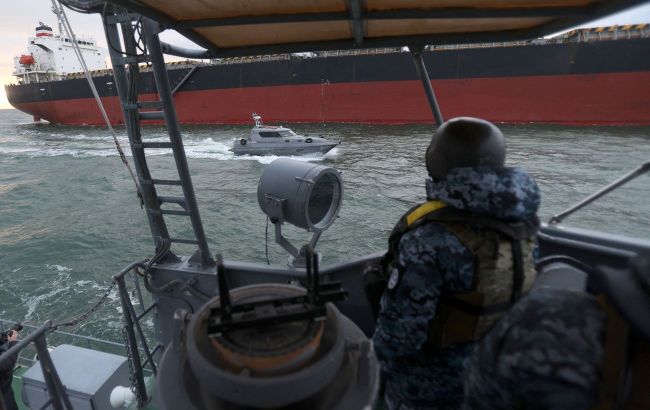 Maritime security forces in Black Sea (illustrative photo: Getty Images)
Romania is stepping up its monitoring in the Black Sea ahead of the launch of the large-scale Neptun Deep gas project, which is expected to reshape the EU energy landscape and turn the country into a leading gas exporter, Reuters reports.
As the country's president's economic adviser, Radu Burnete said, by 2027, Bucharest plans to create an extensive early threat detection system in Black Sea, which will include radar stations, drones, and sensor systems.
Officials stress that such measures are necessary due to repeated airspace violations by drones and floating mines appearing in Black Sea as a result of the war in Ukraine.
Offshor Neptun Deep project is one of the largest in the region and is being developed by OMV Petrom and state-owned Romgaz. It is expected to start gas production in 2027 and provide Romania with significant energy volumes for the domestic market and exports.
Part of the new security capabilities will be financed under the European SAFE initiative, which provides access to €16.6 billion during 2026–2030. This is intended not only to strengthen the country's defense potential but also to stimulate the development of national high-tech equipment production.
Strengthening the surveillance system is also seen as part of a broader strategic goal to turn Constanta port and transport routes via the Danube into a regional logistics artery, important for trade and support of Ukraine's reconstruction.
As is known, Russians deploy Kalibr missile carrier ships in Black Sea, allowing them to periodically attack Ukraine.
Earlier, the Ukrainian Navy explained why Russians fear for their own fleet. This was stated by Ukrainian Navy spokesperson Dmytro Pletenchuk.