Retinol in skincare: When it’s actually safe to start using it

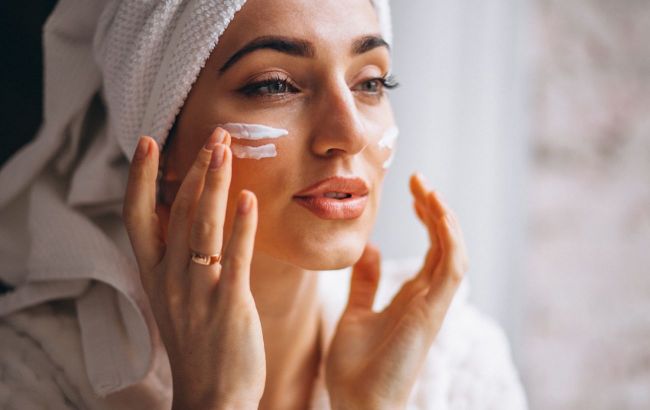 What age is best to start using retinol (photo: Freepik)
Retinol is one of the most effective skincare ingredients, used both for treating acne and preventing signs of aging. It should be used when the skin’s natural renewal processes begin to slow down, according to Martha Stewart.
When to start using retinol
Most dermatologists recommend introducing retinol into your skincare routine after the age of 20. Collagen production begins to decline in your 20s.
Collagen helps maintain smooth, firm-looking skin. Loss of collagen can lead to wrinkles and sagging.
Some teenagers struggling with persistent acne are also prescribed retinoid forms such as Tazorac or adapalene.
If you have not yet started using anti-aging products, signs that it may be time include active breakouts, brown spots, fine lines around the eyes or mouth, and dull skin.
How to include retinol in your routine
One reason people hesitate to use retinol is that it can irritate.
For this reason, it should be introduced gradually. Start with a pea-sized amount, applying it only two to three evenings per week. Then slowly increase frequency.
Avoid applying retinol near the delicate areas around the eyes and lips. It also increases sun sensitivity, so sunscreen should be used every morning and reapplied throughout the day.
To minimize irritation, you can sandwich retinol between two layers of moisturizer. This helps buffer its strength and reduce potential irritation.
When not to use retinol
Pregnancy and breastfeeding: Retinoids may affect fetal development, so they are not recommended during pregnancy or lactation (especially in high concentrations).
Damaged or irritated skin: Do not use if you have:
- Wounds, scratches, burns;
- Severe peeling or irritation;
- Active dermatitis;
Retinol may worsen these conditions.
Active skin conditions: Use with caution or avoid in cases of:
- Eczema;
- Rosacea;
- Psoriasis;
Retinol may increase redness and inflammation.
Combining with other active ingredients: Avoid combining without professional guidance with:
- aAcids (AHA, BHA);
- Benzoyl peroxide;
- Other retinoids.
This increases the risk of strong irritation.
Allergy or intolerance: If severe burning, swelling, or rash occurs, discontinue use immediately.
You may also be interested in:
This material is for informational purposes only and should not be used for medical diagnosis or self-treatment. Our goal is to provide readers with accurate information about symptoms, causes, and methods of detecting diseases. RBС-Ukraine is not responsible for any diagnoses that readers may make based on materials from the resource. We do not recommend self-treatment and advise consulting a doctor in case of any health concerns.