Reparations loan for Ukraine nears reality as EU eases Russian asset freeze rules

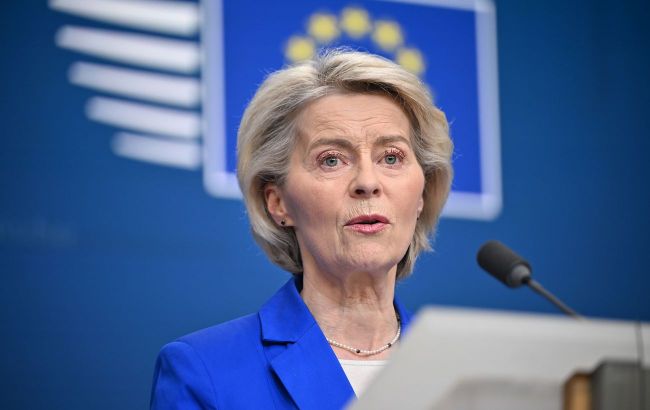 Photo: Ursula von der Leyen (Getty Images)
On Thursday, 11 December, ambassadors of European countries approved a change in the rules that makes it easier to extend the freezing of Russian assets, according to journalist Rikard Jozwiak on Twitter (X).
He explained that unanimity on freezing Russian assets is no longer the only option. According to him, this is a "big step" toward providing Ukraine with a reparations loan.
To maintain the assets of the aggressor country, a qualified majority of EU member states’ votes will now be sufficient.
As a result, the threat of a potential veto by Hungary or any other country that could unfreeze Russian assets no longer exists.
Reparations loan for Ukraine
Recently, the European Commission proposed providing Ukraine with a reparations loan of €140 billion, expected to be secured using Russian assets frozen by the EU in connection with the full-scale invasion of Ukraine.
However, for Kyiv to receive such a reparations loan, the consent of all EU member states is required. The initiative is currently blocked by Belgium, which holds the largest share of the frozen assets.
Brussels is concerned about legal risks and has not yet approved the plan. The European Commission has stated that it has already addressed nearly all of Belgium’s concerns and has prepared an updated proposal.
On 8 December, a joint statement by the finance ministers of the G7 countries was published, noting that the bloc is ready to consider the possibility of confiscating all frozen Russian assets to help achieve a fair peace in Ukraine.
Earlier, Politico reported that Japan had refused to support the EU’s initiative to use frozen Russian assets for Ukraine’s benefit. Later, Japan’s Ministry of Finance denied the claim that Tokyo had rejected the EU proposal on confiscating frozen assets.