Von der Leyen says EU's reparations loan plan accounts for nearly all Belgian concerns

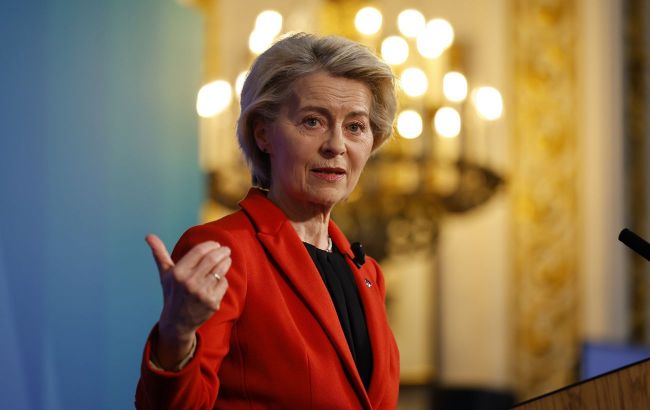 Photo: Ursula von der Leyen, President of the European Commission (Getty Images)
The European Commission has prepared a proposal for a reparations loan for Ukraine funded by frozen Russian assets. The proposal takes into account concerns previously raised by Belgium, said European Commission President Ursula von der Leyen.
She noted that EU officials had an intense discussion regarding Belgium's position, as the country holds the majority of Russia's frozen assets.
"We have listened very carefully to Belgium's concerns, and we have taken almost all of them into account in our proposal that is today on the table of the reparations loan," the EC chief added.
Von der Leyen specified that there are now "very strong safeguards in place to protect member states and to reduce the risks as much as possible." In particular, under the new initiative, the Commission ensured that an unlawful decision taken outside the Union cannot be enforced within the Union.
A "very strong solidarity mechanism" has also been created, under which the European Union may ultimately intervene.
"Because we want to make very sure to all our member states, but specifically also to Belgium, that we will share the burden in a fair way, as it is the European way," she noted.
At the same time, the EC President clarified that, through the reparations loan, the EU also aims to encourage similar steps among Ukraine's friends and international partners.
Belgium remains dissatisfied
Today, December 3, Belgian Foreign Minister Maxime Prévot stated that the EU's proposal for a reparations loan for Ukraine does not meet his country's requirements.
He recalled that the Belgian authorities want other EU countries to cover all legal costs that may arise if the decision on the reparations loan comes into effect.
Belgium also expects guarantees that EU countries will quickly provide the necessary funds if they end up having to return them to Russia.