Record disruptions: Ukrainian forces detail strikes on Russian oil ports

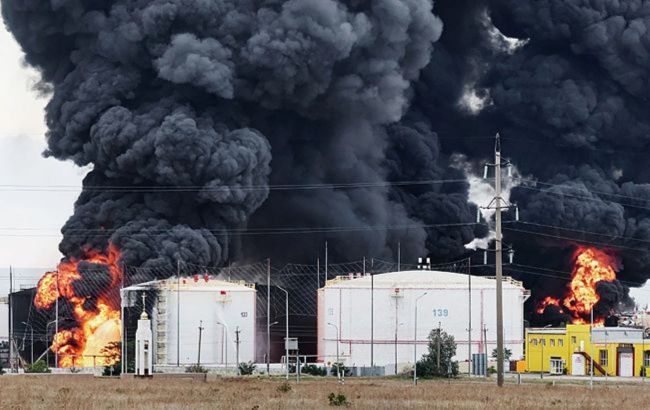 Ukrainian drones target Russia's oil exports (photo: Russian media)
Ukraine's Unmanned Systems Forces (USF) have caused the largest fuel supply disruptions in modern Russian history, with successful strikes on ports and refineries severely disrupting enemy logistics.
Strategic blow to exports
According to USF, key targets included the ports of Primorsk and Ust-Luga, through which Russia ships up to 50% of its exported oil by sea.
These sites, together with the Kirishi and Yaroslavl refineries, form a single infrastructure network that is now under threat.
USF emphasizes that after the Druzhba pipeline route was restricted, this path became critical for Moscow, as it handles nearly 30% of Russia's total oil production.
"Striking refineries and port infrastructure breaks this chain. Less refining, more complicated logistics, and consequently, overloads at other hubs," the agency noted.
#Ukraine's Unmanned Systems Forces cause #Russia's largest modern-era #fuel supply disruptions pic.twitter.com/VutiTOvoC7
— RBC-Ukraine (@NewsUkraineRBC) March 28, 2026
Impact on Russia's energy system
Due to the shortage of logistical capacity, oil is beginning to accumulate, creating critical pressure on the entire Russian energy system.
Military analysts predict that sustained strikes on these facilities could force Russia to mothball part of its oil wells.
"The white nights get black. USF is turning Russia's main resource into its most vulnerable element," the Unmanned Systems Forces emphasized.
Russian oil, gas infrastructure under attacks
Recently, Ukraine's Armed Forces have significantly intensified pressure on the Russian energy sector. On March 28, a strike hit the strategically important Yaroslavl refinery, which supplies fuel to Russian military units.
This followed an attack on March 26 at the Kirishi refinery in the Leningrad region, one of Russia's three largest oil refineries, which triggered a massive fire.
Also, on March 23, the Ukrainian forces targeted the Transneft–Port Primorsk terminal and the Bashneft-Ufaneftekhim refinery, undermining both Russia's export capabilities and domestic refining capacity.