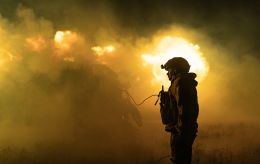
Pools by day, bomb shelters by necessity: Inside Finland's hidden defense

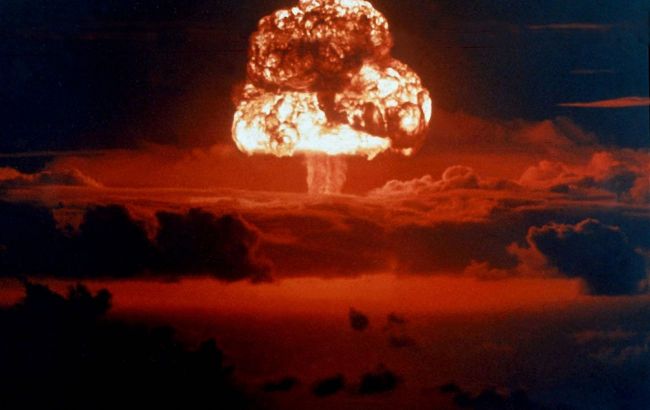 Illustration of a nuclear attack (photo: Getty Images)
Finland has built one of Europe's most advanced civil defense systems, capable of sheltering most of the capital's population within a very short time in the event of a military threat, The Times reports.
The British newspaper The Times published a report on Finland's civil defense system, highlighting the country's high level of preparedness for potential military threats, including the possibility of a nuclear attack.
The journalists paid particular attention to Helsinki, where an extensive network of underground facilities has been built over decades and can quickly be converted into shelters for the city's residents.
The report notes that most of these facilities serve as ordinary urban infrastructure during peacetime.
Underground, there are swimming pools, sports complexes, playgrounds, parking facilities, and other public spaces.
However, if necessary, they can be rapidly converted to protect the population.
What lies beneath Helsinki
According to The Times, the Finnish capital's underground infrastructure is equipped with autonomous power supply, ventilation, and water supply systems. This allows the shelters to operate for extended periods regardless of external conditions.
The newspaper emphasizes that the system was not built in recent years but is the result of decades of government policy in the field of civil defense. Finnish authorities have consistently expanded the network of protective shelters since the Cold War, regularly modernizing it.
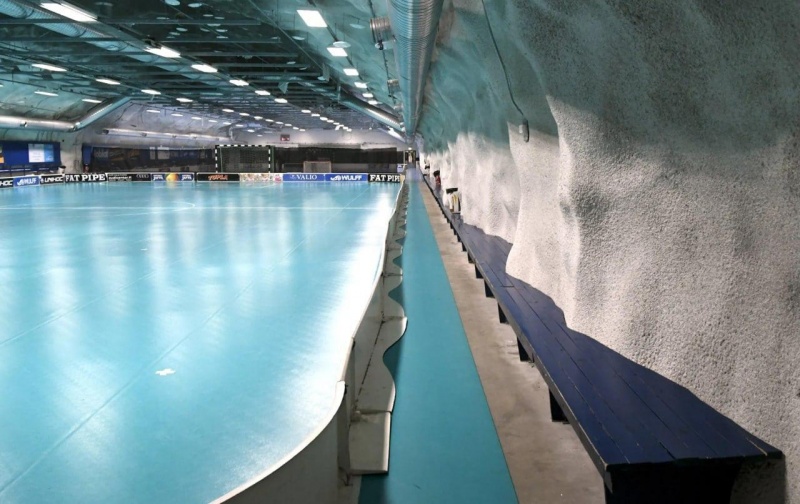
Photo: Helsinki's underground shelters
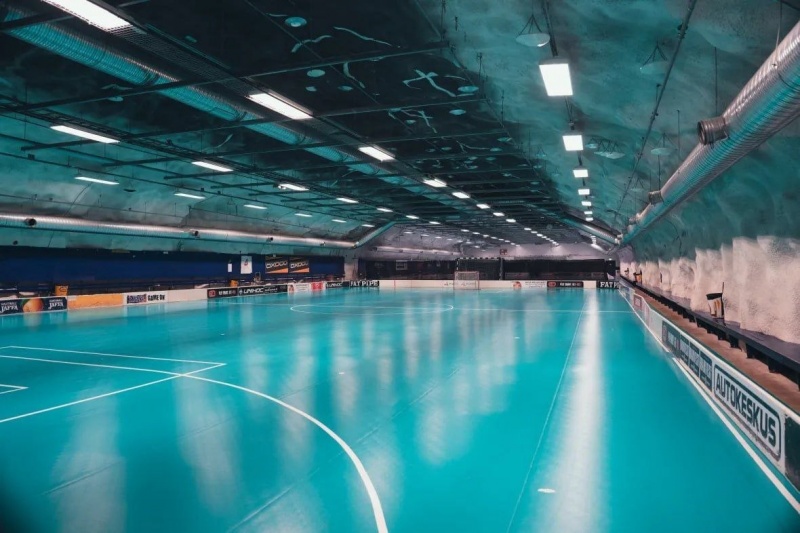
Photo: Helsinki's underground shelters
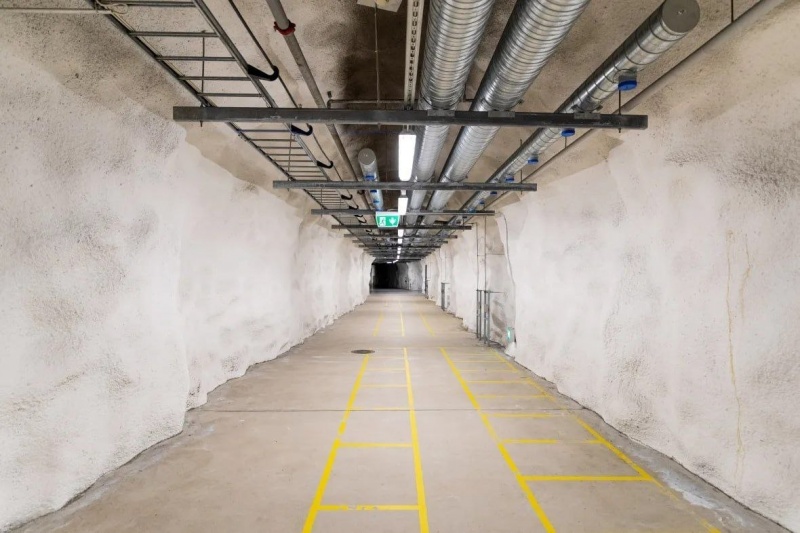
Photo: Helsinki's underground shelters
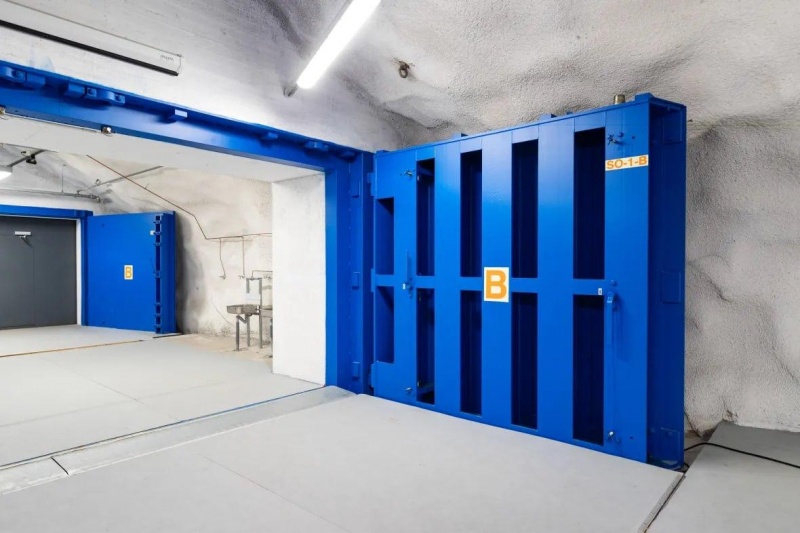
Photo: Helsinki's underground shelters
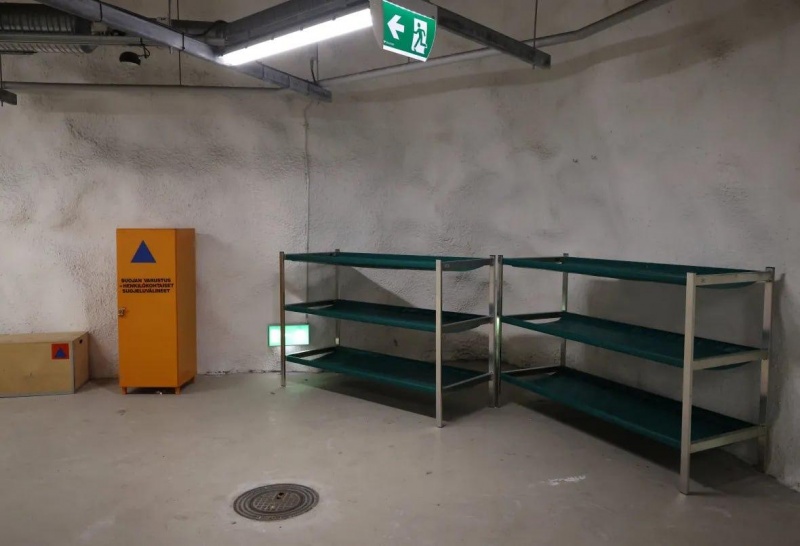
Photo: Helsinki's underground shelters

Photo: Helsinki's underground shelters

Photo: Helsinki's underground shelters
Poland and France recently took another step toward deeper security cooperation by holding the first meeting of their joint nuclear cooperation group in Paris. During the meeting, representatives of the two countries discussed coordinating efforts to strengthen Europe's defense capabilities and enhance security across the continent.