Polish PM says seizing frozen Russian assets will take years

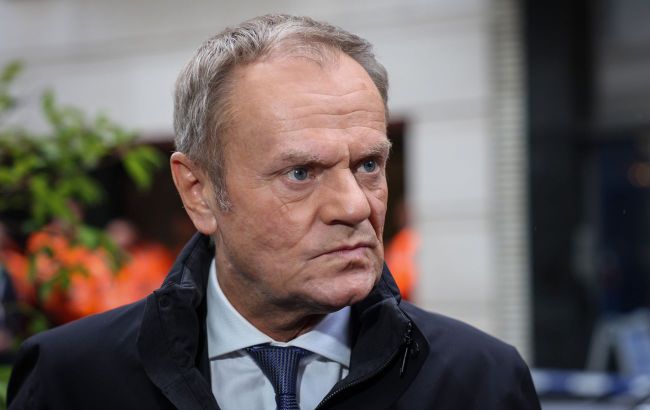 Photo: Donald Tusk (Getty Images)
Polish Prime Minister Donald Tusk said that an agreement that would allow the EU to use frozen Russian assets to rebuild Ukraine is still a long way off, Onet reports.
"At the moment, we have a decision that allows us to freeze Russian assets permanently... However, from this moment until the potential use of these funds for the restoration of Ukraine, not to mention military support for Ukraine, there are still light years to go," Tusk acknowledges.
According to him, at the summit in Brussels on Thursday, no decision will be made on allocating these funds to Ukraine. At the same time, it is expected that an agreement will be reached on financing Ukraine for the next two years.
"However, there are various indirect mechanisms, such as the possibility of using these funds as financial leverage, i.e., loan guarantees," he says.
What US says
Tusk was asked whether the US position on this issue coincides with that of Europe, to which he replied that the difference in opinion is quite obvious. Washington urges not to raise this issue, as it affects the negotiations.
"The Americans say: leave these Russian assets alone, because it is difficult to sit down at the negotiating table with Putin and say: 'Let's compromise, but we will take your money'. This is the American argument, which calls for being very careful and not bringing the matter to the brink of collapse," Donald Tusk says.
At the same time, he adds that the Americans will be interested in using this money differently. The Prime Minister suggests that the US would also use part of Russia's assets, but only after reaching an agreement with the Kremlin.
"Sometimes it turns out that Americans still take a businesslike approach to this issue... It is difficult to talk about a unified European-American position on this issue," the Polish official concludes.
Frozen Russian assets
On Friday, December 12, EU member states agreed to freeze Russian assets worth €210 billion for an indefinite period. Now this decision will not have to be renewed every six months.
In addition, for several months now, the European Union has been considering the possibility of granting a reparation loan secured by Russia's frozen assets.
However, Belgium, where most Russian assets are held, namely around €140 billion, is opposed to this decision.
Belgian Prime Minister Bart De Wever is demanding that the EU provide Euroclear with protection against risks. Among the conditions is to provide the necessary resources in case Russia imposes sanctions.