European Union freezes Russian assets indefinitely

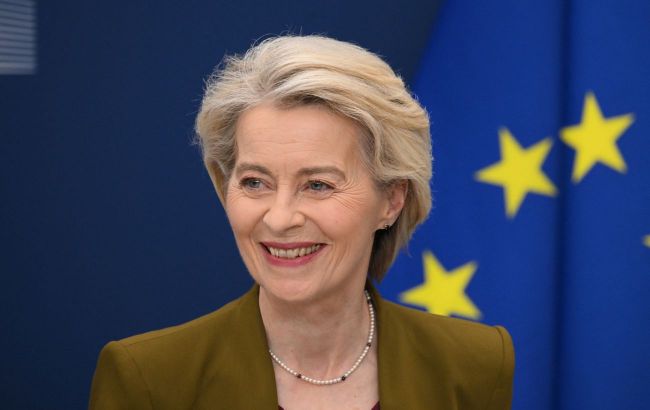 Photo: Ursula von der Leyen, President of the European Commission (Getty Images)
European Union countries have agreed to freeze Russian assets worth €210 billion indefinitely. The decision will no longer need to be renewed every six months, according to European Commission President Ursula von der Leyen on X, Reuters, and European Council President António Costa on X.
Von der Leyen welcomed the EU Council's decision to approve the European Commission's proposal to continue the freezing of Russian assets.
"We are sending a strong signal to Russia that as long as this brutal war of aggression continues, Russia's costs will continue to rise. This is a powerful message to Ukraine: we want to make sure that our brave neighbour becomes even stronger on the battlefield and at the negotiating table," she emphasized.
Reuters notes that EU governments agreed to freeze Russian assets for "as long as needed," instead of voting every six months to extend the freeze.
This decision removes the risk that Hungary and Slovakia, which maintain warm relations with Russia, could block the extension and allow the money to return to Russia.
The indefinite asset freeze could also convince Belgium to support the EU plan to use these funds to provide Ukraine with a reparations loan of up to €165 billion to cover its military and civilian budget needs in 2026 and 2027.
The European Council is expected to meet on December 18 to finalize the details of the reparations loan and resolve remaining issues, including guarantees from all EU governments to Belgium, ensuring it will not be left alone to pay the bills if a potential Moscow lawsuit succeeds.
Confirmation from António Costa
European Council President António Costa confirmed that Russian assets will remain frozen until the end of Russia's war against Ukraine.
"In October, EU leaders committed to keep Russian assets immobilised until Russia ends its war of aggression against Ukraine and compensates for the damage caused. Today, we delivered on that commitment," Costa said.
He added that the next step is to secure Ukraine's financial needs for 2026–2027.
Reparations loan for Ukraine
The EU is currently considering providing Ukraine with a reparations loan backed by frozen Russian assets.
However, Belgium opposes the plan. A large portion of Russia's frozen assets is held in the Belgian depositary Euroclear.
Belgian Prime Minister Bart De Wever has demanded that the EU ensure protection for Euroclear against risks, including providing necessary resources in case Russia imposes sanctions.