Pentagon rejects Senate request to investigate Starlink restrictions in Ukraine

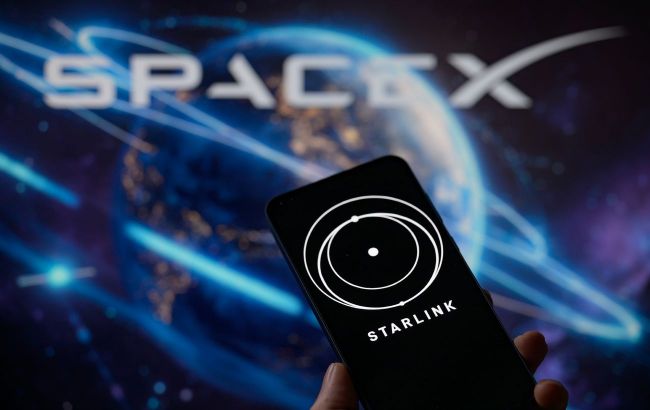 Photo: Satellite service speed is currently normal (GettyImages)
The Pentagon's inspector general has declined to investigate disruptions to Starlink and Starshield satellite services in Ukraine, despite a request from a bipartisan group of senators, according to The Washington Post.
The office believes the US Air Force should examine the issues.
Nine senators — four Republicans and five Democrats — asked the Pentagon's inspector general to determine who decided to restrict satellite communications and whether US officials were involved.
Lawmakers also wanted to establish whether the disruptions affected intelligence sharing and threat warnings.
The restrictions reportedly complicated efforts to intercept Russian attack drones in Ukraine. However, in a response dated October 27, the inspector general said the issues fell under the jurisdiction of the US Air Force.
Mollie Halpern, a spokesperson for the inspector general's office, said the office had carefully reviewed the senators' request. She added that the decision could be reconsidered if new information emerged.
Democratic Senator Jeanne Shaheen criticized the refusal to launch an independent investigation.
"It is concerning that the Inspector General has apparently decided not to investigate satellite communication disruptions that Ukraine relies on to protect its civilians," she said.
According to Shaheen, the administration of US President Donald Trump and SpaceX have provided conflicting explanations for the disruptions.
The senator said an independent review was necessary to establish accountability and prevent similar incidents from happening again.
What is known about the Starlink restrictions
As a reminder, Elon Musk previously acknowledged that SpaceX had restricted Starlink speeds in Ukraine, allegedly because Ukrainian forces had violated the terms of use and employed the system's capabilities for offensive operations inside Russia, including attacks on targets.
Musk also claimed that changes to the military satellite system Starshield were overseen by the US government.
President Donald Trump said he had not ordered any restrictions on access. However, US Vice President JD Vance suggested that Musk's actions may have been coordinated with the White House.
As a result, the question of who decided to impose the restrictions and what role the US government played remains unresolved.