Oil market rescue: 32 countries take historic step amid war in Iran

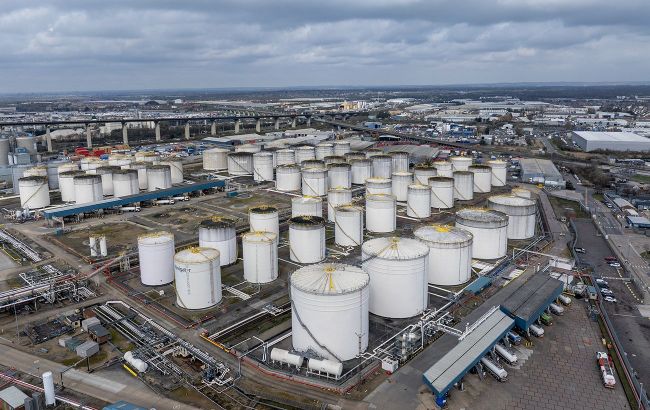 Illustrative photo: IEA member countries hold over 1.2 billion barrels of oil in reserves (Getty Images)
Member countries of the International Energy Agency (IEA) will release 400 million barrels of oil from strategic reserves amid supply cuts due to the situation in the Middle East, according to CNBC.
As of now, the timing for when this oil will reach the market has not been determined. The IEA stated that the reserves will be released according to the circumstances of each of its 32 member countries.
"The conflict in the Middle East is having significant impacts on global oil and gas markets, with major implications for energy security, energy affordability and the global economy for oil. I can now announce that IEA countries have unanimously decided to launch the largest-ever release of emergency oil stocks in our agency’s history," said Fatih Birol, the agency’s executive director.
At the same time, analysts believe that even if all reserves are released at maximum available speed, it will not be enough to offset the 20 million barrels per day that passed through the Strait of Hormuz before the operation in Iran began.
About the IEA
The IEA is an organization within the Organisation for Economic Co-operation and Development (OECD). It provides advice and analysis on energy security for member countries, most of which are developed EU countries, as well as the US, Canada, Japan, South Korea, New Zealand, and Australia.
Overall, IEA members hold more than 1.2 billion barrels of emergency oil reserves. In addition, they have 600 million barrels of industrial stocks maintained under government obligations.
In 2022, the IEA already released 182 million barrels of reserves following Russia’s full-scale invasion of Ukraine to stabilize global oil markets.
Market impact
Due to the war in Iran, oil has exceeded $100 per barrel for the first time since 2022 — Brent reached $104, a rise of over 15%.
At the same time, stock markets fell: Dow futures dropped nearly 2%, with S&P 500 and the Nasdaq also down. Gasoline in the US rose 16% over the week, reaching $3.45 per gallon (3.78 liters).
In Ukraine, the impact of the Strait of Hormuz blockade has also been felt: gasoline prices increased by 2 hryvnias per liter, and the dollar jumped to 43.46 hryvnias.