$200 oil warning: Iran issues ultimatum to US and Israel

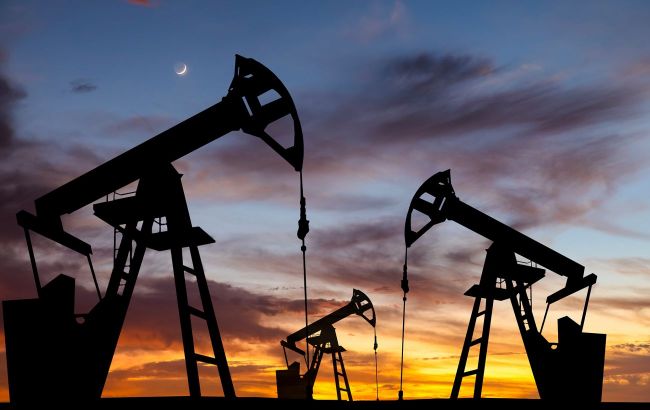 Illustrative photo: how the blockade of the Strait of Hormuz affects the oil market (Getty Images)
Iran has warned that if the United States and Israel do not stop their attacks, oil prices could reach $200 per barrel — twice the current level, states a spokesperson for Iran’s military command, Ebrahim Zolfaqari, according to Reuters.
Iran threatens $200 oil
"Get ready for oil to be $200 a barrel, because the oil price depends on regional security which you have destabilised," Zolfaqari said, addressing the United States. Iran also refuses to negotiate.
The statement came after attacks on three more ships in the Persian Gulf. In total, 14 vessels have been attacked since the start of the war.
What’s happening in the Strait
One-fifth of the world’s oil passes through the Strait of Hormuz. It is currently blocked — ships cannot safely navigate along the Iranian coast. This is the largest energy shock since the 1970s.
For more on the Strait of Hormuz and why this 50-kilometer-wide section of the sea affects oil prices worldwide, see the report by RBC-Ukraine.
Have oil prices surged?
On Monday, oil briefly rose to nearly $120 per barrel. However, the price is currently around $90.
Investors are betting that Trump will be able to stop the conflict and reopen the strait.
The International Energy Agency may recommend releasing 400 million barrels from strategic reserves — a record amount. But even that would only last three weeks.
Ukraine is already feeling the effects of the Strait of Hormuz blockade. Gasoline prices have risen by 2 hryvnias per liter, and the dollar jumped to ₴43.46. Gas imports remain unchanged for now, with Naftogaz buying at previous prices.
Experts believe that if the conflict ends within a month, prices will quickly fall back. But if it drags on, the world could face serious inflation — while Russia could profit significantly.
Earlier, RBC-Ukraine reported that due to the Middle East war, investors began buying dollars en masse, viewing them as a safer asset during instability. As a result, other currencies, including the euro, have weakened.
At the same time, Ukraine’s currency market is affected by domestic factors, but global military conflicts are adding additional pressure on financial markets.