Iran war drives oil prices over $100

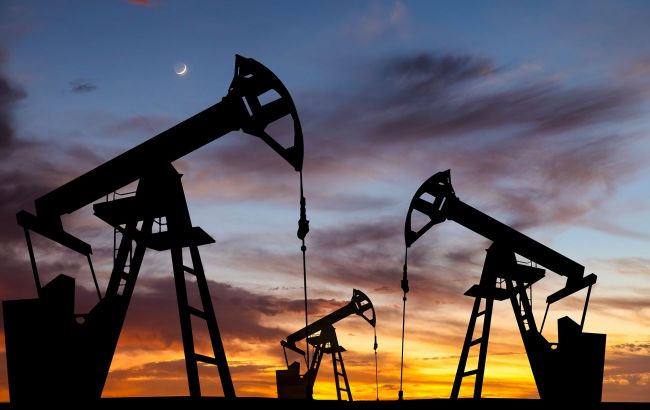 Oil (photo: GettyImages)
The escalation of the conflict in the Middle East has triggered sharp fluctuations in global markets. Against the backdrop of hostilities in Iran, oil prices have surpassed the $100 per barrel mark for the first time since Russia's full-scale invasion of Ukraine in 2022, according to a CNN report.
Sharp rise in oil quotations
Investors fear that the military conflict could lead to prolonged restrictions on oil supplies from the Middle East region.
Against this backdrop, US oil futures rose by 14.7%.
Futures for Brent crude, which is considered the global benchmark for oil prices, rose by 12.63% and reached $104 per barrel as of 6:06 p.m. Eastern Time.
Decline in stock markets
Simultaneously with the rise in oil prices, pressure on stock exchanges intensified. Dow futures fell by 851.6 points, or about 2%.
Futures for the S&P 500 index and the tech-heavy Nasdaq also showed declines — by 1.73% and 1.65%, respectively.
Investors fear that turmoil in the energy market could exacerbate inflationary pressure in the US.
Rising gasoline prices in the US
The situation on the oil market has already affected fuel prices. According to the American Automobile Association, following the initial strikes on Iran on February 28th, the average price of gasoline in the US reached $3.45 per gallon on Sunday.
This is approximately 16% higher than a week earlier.
Reaction of the US administration
The administration of US President Donald Trump attempted to calm the market.
On Sunday, officials stated that the military operation against Iran, conducted by the US and Israel, should not lead to long-term fuel supply problems.
US Treasury Secretary Scott Bessent stated that Washington is considering easing restrictions on Russian oil. According to him, such a step could help stabilize the global oil market and address a potential raw material shortage that has arisen amid the military operation against Iran.
US Energy Secretary Chris Wright stated that the US does not plan to change its sanctions policy regarding Russia. According to him, any current relaxations regarding oil supplies are temporary and do not signify Washington's abandonment of pressure on Moscow.