Oil jumps to one-month high as US launches new strikes on Iran

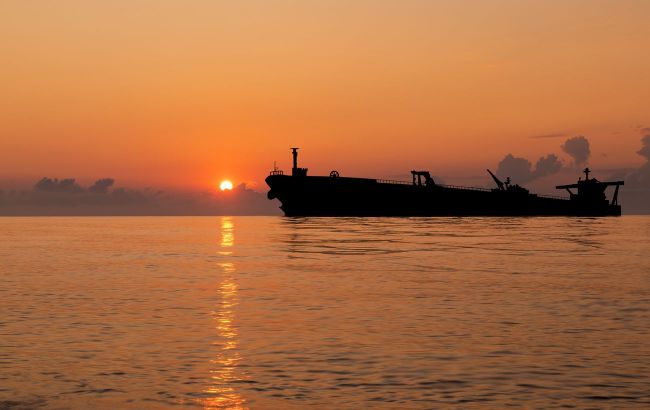 Photo: an oil tanker (Getty Images)
A new escalation in the Middle East has once again pushed oil prices higher, as investors fear supply disruptions through the Strait of Hormuz, Reuters reports.
Global oil prices climbed to their highest level in nearly a month following new US strikes on Iran and renewed tensions surrounding the Strait of Hormuz.
As of July 14, Brent crude futures rose 1.7% to $84.73 per barrel, while US West Texas Intermediate (WTI) crude gained 1.5% to $79.34 per barrel. Both benchmark grades reached their highest levels in almost a month.
Analysts at Ritterbusch and Associates believe the latest exchanges between the United States and Iran could continue, providing further support for elevated oil prices.
"The resumption of attacks between the US and Iran is accelerating this week and will likely continue given the additional US bombing overnight that followed reinstatement of a US blockade of the Strait of Hormuz," the energy advisory firm said in a report.
Oil prices were also supported by reports of an attack on two UAE oil tankers.
At the same time, concerns over rising inflation continue to limit further gains. Rising energy costs could force central banks to keep interest rates higher for longer, potentially slowing economic growth and reducing oil demand.
What is known about the latest Middle East escalation
As previously reported, on the night of July 12, Iran announced the complete closure of the Strait of Hormuz, accusing several vessels of attempting to transit through an unauthorized route. During the incident, Iranian forces attacked a container ship, prompting the United States to launch a series of strikes on Iranian targets.
However, the US Central Command (CENTCOM) stated that the Strait of Hormuz remains open to international shipping.
Following the incident, US President Donald Trump said Washington should be compensated for ensuring the security of maritime traffic through the Strait of Hormuz.
Later, after talks with Middle Eastern leaders, Trump abandoned plans to introduce a 20% transit fee for ships passing through the strait. Instead, the US has decided to bet on new trade and investment agreements with the Gulf states.