'Not the moment to talk': Estonia urges Europe to avoid dialogue with Russia

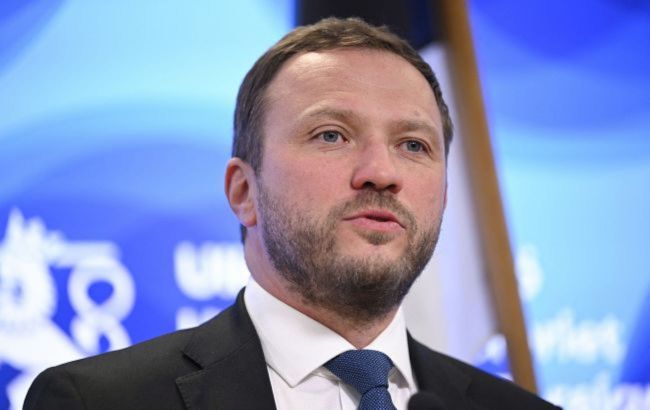 Estonian Foreign Minister Margus Tsahkna (photo: Getty Images)
Europe should refrain from direct talks with the Kremlin, as Russia is currently in a vulnerable position. Instead of seeking compromises, European allies should intensify sanctions pressure, according to Estonian Foreign Minister Margus Tsahkna.
'Now is not the moment to talk'
The Estonian diplomat believes that Moscow has been stepping up contacts with European countries amid economic problems and a lack of significant battlefield progress in the fifth year of its full-scale invasion.
The main goal pursued by the Kremlin is to find ways to retreat, so Western countries should respond by tightening restrictions rather than helping Russia.
"Now is not the moment to talk or negotiate. It's the moment to put pressure on Russia," Tsahkna stressed in an interview on the sidelines of the Lennart Meri Conference in Tallinn.
He called "very dangerous" the thinking of some European leaders who want to take the diplomatic initiative while US efforts to reach a settlement have stalled due to Washington's focus on the war in Iran.
"We are not very positive about this idea that everybody is rushing to Moscow and let's start talking because Russia is weaker. It's not the time," the minister added.
Putin's regime fragility signs
Tsahkna is convinced that Russian leader Vladimir Putin is running out of options, and that multiple rounds of Western economic sanctions are producing real results.
In addition to massive battlefield losses, Ukraine is effectively striking Russian oil production and shipping facilities deep inside Russian territory.
Among other indicators of the Kremlin's vulnerability, the Estonian minister pointed to growing domestic frustration in Russia over mobile internet disruptions and economic difficulties.
He also noted the significant scaling back of the Victory Day parade on May 9 in Moscow, as well as the removal of Hungarian Prime Minister Viktor Orbán from power, who had been a key Putin ally within the EU.
Political changes in Budapest have already enabled the European Union to adopt a new sanctions package and approve a €90 billion loan for Ukraine.
According to the diplomat, the overall tone in Europe has already shifted, and most countries understand that Russia is in a fragile position.
Background
Amid growing fatigue in Russian society and an economic crisis, the Kremlin has recently begun seeking an "image of victory" to prepare its people for the end of the war and to present a favorable version of any future peace deal.
At the same time, Ukrainian President Volodymyr Zelenskyy said that Vladimir Putin had been "pushed a bit," after which the Kremlin began, for the first time, to speak about real steps and willingness to hold genuine talks to resolve the conflict.
According to the president, Ukraine has long been prepared for such a negotiation process.
Meanwhile, frustration is growing within the European Union over peace talks aimed at ending the war, which are currently being led solely by US President Donald Trump.
Due to the risk of being sidelined from the peace process, European Council President António Costa said that Brussels is considering establishing its own direct communication channel with the Kremlin.