Moscow bans sharing aftermath of strikes and warns of fines

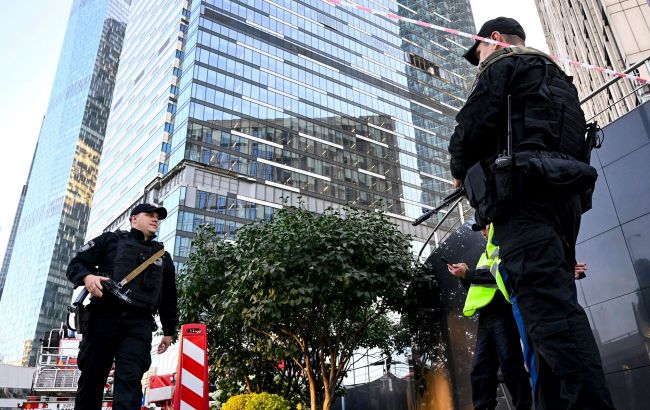 Illustrative photo: aftermath of a drone attack in Moscow (Getty Images)
The Moscow Anti-Terrorism Commission has banned the publication of photos, videos, and any information about the consequences of drone attacks, sabotage, and terrorist acts. The restrictions apply to media outlets, organizations, emergency services, and residents of the Russian capital, according to Deutsche Welle.
In Moscow, the dissemination of information about attacks has been restricted
According to the minutes of a meeting of the Moscow Anti-Terrorism Commission, as reported by Deutsche Welle, it is prohibited to distribute any materials about the consequences of drone attacks and other incidents related to threats to human life and infrastructure.
The outlet notes that the restrictions apply to all categories of citizens and organizations, including journalists and emergency services.
Only official data may be published
The document states, as reported by Deutsche Welle, that information may be disseminated only if it is published by the Russian Ministry of Defense, the Moscow city administration, or official government sources.
It is also noted that reports to law enforcement agencies are not subject to the ban, provided they are not made public.
Broad wording and risk of expanded interpretation
As reported by Deutsche Welle, the wording of the decision allows the ban to be interpreted very broadly.
In practice, any information about emergency incidents without official confirmation may fall under the restrictions, the outlet notes. This significantly limits the possibilities for independent coverage of events.
Fines for violating the ban
The source reports that the ban is in effect for an indefinite period. Violations carry administrative fines: for individuals from 3,000 to 5,000 rubles, for officials from 30,000 to 50,000 rubles, and for legal entities from 50,000 to 200,000 rubles.
The Russian military command allegedly reported to Kremlin leader Vladimir Putin plans to attempt to establish control over Donbas by autumn, while also claiming exhaustion of Ukrainian forces, a weakened front line, and reduced combat capability of the Ukrainian army.
According to reports, Russia has adopted a law granting Kremlin leader Vladimir Putin the right to deploy armed forces outside the country in the event of the detention of Russian citizens abroad.