Media obtains details of Graham's proposed Russia 'bone-crushing' sanctions bill

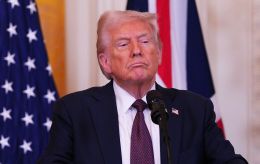
 Photo: US President Donald Trump (Getty Images)
The legislative initiative, which was strongly backed by the late Senator Lindsey Graham, could reach Congress as early as this week. The bill targets the five largest buyers of Russian oil and gas, with China and India ranking as the top importers.
Under the proposed legislation, the president would be able to unilaterally impose tariffs of up to 100% on specific countries and individuals that facilitate the sale of these energy resources. Analysts note that this would be the first time Congress explicitly authorizes the use of tariffs as a geopolitical tool.
Restrictions on the shadow fleet and a compromise deal
In addition to tariffs, the bill would impose sanctions on Russia's defense, financial, and energy sectors. Russia's so-called shadow fleet would also be targeted by the restrictions.
The current version of the legislation is the result of a compromise between Congress and the White House, which sought to preserve maximum flexibility for Trump in negotiations aimed at ending the war in Ukraine. Earlier versions were significantly tougher, proposing tariffs of up to 500% on goods from any country purchasing Russian commodities.
The new bill would also provide a clear legal basis for presidential action. This is intended to prevent legal disputes following a US Supreme Court ruling that previously barred the president from unilaterally imposing tariffs under emergency powers legislation.
Remembering Lindsey Graham and Trump's position
Trump's team has assured lawmakers that the president supports the initiative. Legislators are seeking to pass the bill in honor of Senator Lindsey Graham, who, according to forensic experts, died at the age of 71 from an aortic dissection.
The bill's co-sponsor, Democratic Senator Richard Blumenthal, confirmed that the measures would target the five largest buyers of Russian energy exports. He said the legislation had been carefully refined during lengthy negotiations with the White House and trade officials.
The senator said the process had been highly complex and lengthy, adding that lawmakers did not want to pursue an overly broad or blunt approach.
Debate over the effectiveness of tariffs
Some analysts fear that Trump could use the new authority to wage trade disputes with US allies rather than increase pressure on Russia.
Edward Fishman, a former sanctions official, argues that traditional secondary sanctions targeting oil buyers — including refineries, banks, and traders — would be far more effective than tariffs.
Supporters of the legislation note that similar secondary tariffs reportedly prompted India to reduce purchases from Russia last year. However, Fishman contends that a much greater impact came from US sanctions imposed in 2025 on Rosneft and Lukoil, as well as the threat of sanctions against Indian banks and companies.
Prospects for the bill's passage
The bill's prospects remain uncertain. While an earlier version enjoyed strong bipartisan support, the revised draft could face resistance from some Democrats, who are wary of granting Trump overly broad tariff powers.
Another complication is the "blue slip" rule. Because the legislation would generate government revenue through tariffs, it must first be approved by the House of Representatives before moving forward in the Senate.
Senate Majority Leader John Thune said he is assessing the possibility of bringing the bill to the Senate floor in the near future.
Earlier today, Trump said the chances of passing the proposed "bone-crushing" sanctions bill against Russia were "quite high."
According to the US president, the legislation could also include sanctions targeting Iran and Hezbollah.