Macron comments on Zelenskyy’s letter to Putin regarding negotiations

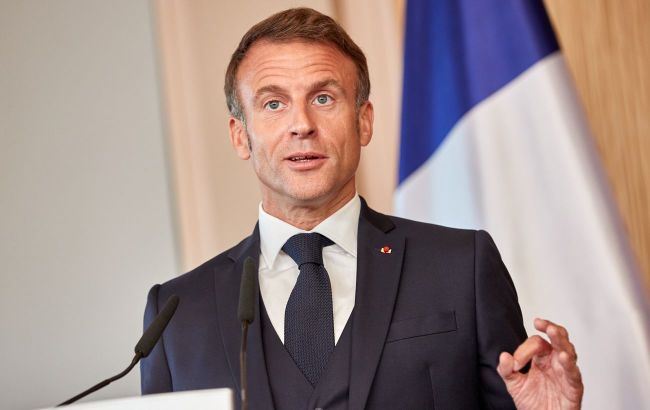 Photo: French President Emmanuel Macron (Getty Images)
French President Emmanuel Macron has positively assessed Ukrainian President Volodymyr Zelenskyy’s open letter to Russian President Vladimir Putin. The French leader expressed solidarity with the initiative and supported the restoration of direct dialogue between Kyiv and the Kremlin, according to the French President's remarks on the sidelines of the EU–Western Balkans summit in Montenegro.
Why Macron supports direct negotiations
Commenting on Ukraine’s peace initiatives, Macron stressed that he considers the Ukrainian president’s appeal to be a correct step toward resolving the conflict.
According to him, it is direct dialogue between the parties that can deliver results.
"I think this is a good initiative, and it is good that discussions can resume. I will be frank with you. I believe that it is Ukraine and Russia today that can build both a ceasefire and a peace plan," Emmanuel Macron said.
"We have always supported direct negotiations between Ukraine and the Kremlin. Europeans are the largest donors to Ukraine’s military effort, and therefore at some point they must be at the table for talks on a peace plan," the French president noted.
Letter from Zelenskyy to Putin
On June 4, Ukrainian President Volodymyr Zelenskyy wrote an open letter to Russian President Vladimir Putin. In the appeal, the head of state stated Ukraine’s readiness to end the war through direct bilateral negotiations and proposed declaring a full ceasefire for the duration of the leaders’ meeting.
It later became known that Zelenskyy suggested holding the meeting at a neutral location — in Switzerland, Türkiye, or Arab countries — completely ruling out talks in Kyiv or Moscow.
The Ukrainian side also initiated a large-scale prisoner exchange on an all-for-all basis and called for steps to return deported children and civilians.
That same evening, the Kremlin reacted to Zelenskyy’s letter. Putin’s spokesperson Dmitry Peskov confirmed that Moscow had reviewed the text of the appeal and added that Russia’s official position would be announced later.