Lithuania starts historic dismantling of Chornobyl-type nuclear reactor

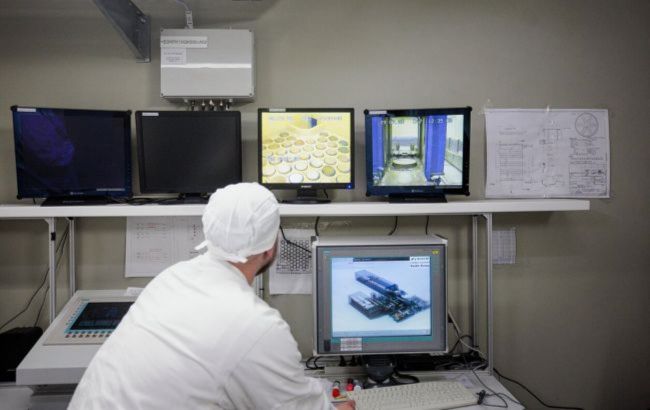 Ignalina nuclear plant (photo: V. Raupelio/LRT nuotr)
Lithuania readies to become the first country in the world to dismantle the active cores of high-power channel-type reactors (RBMK) at the former Ignalina Nuclear Power Plant — the same type used at the Chornobyl plant, LRT reports.
Same-type reactors as Chornobyl
The plant shutdown was one of the conditions for Lithuania's accession to the EU in 2004.
The second unit of the Ignalina Nuclear Power Plant operated RBMK-1500 reactors, among the most powerful in the world and of the same type as those at Chornobyl.
Today, plant workers are dismantling everything that can be safely removed without the need for highly specialized experts.
The reactor's active core will be dismantled by robots equipped with what plant representatives describe as advanced technology. Work with such highly radioactive equipment is not carried out by humans.
"This will be the most complicated task. But we will be the first in the world to have done it," said plant director Linas Baužys.
According to him, the graphite components of the reactor—the most difficult part of the dismantling process—will likely be handled by specialists from international companies, most likely from the United States or France.
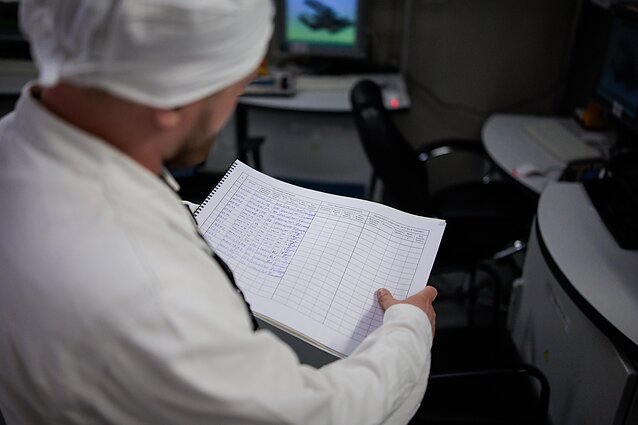
Ignalina NPP (photo: V. Raupelio/LRT nuotr)
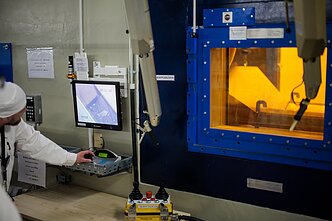
Ignalina NPP (photo: V. Raupelio/LRT nuotr)
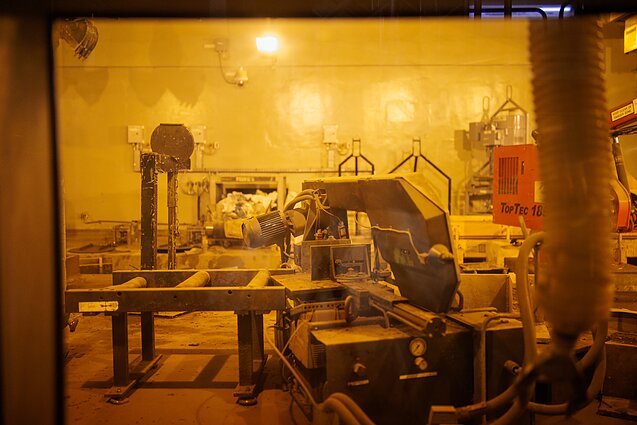
Ignalina NPP (photo: V. Raupelio/LRT nuotr)
Deadlines: Dismantling by 2049, disposal by 2090
"The dismantling process should be completed by 2049. The important thing is that we removed all fuel from the reactors and placed it into storage for 50 years. During that period, the state must build a deep geological repository where all spent fuel will be permanently disposed of by 2090," Baužys explained.
Geologists are currently assessing 77 potential sites in nearly 30 municipalities. The municipality of Visaginas, where the plant is located, has already been deemed unsuitable.
"Scientists, not politicians, will determine where the repository will be located," the plant director stressed.
Metal from reactors to wind turbines
Some parts of the decommissioned plant now resemble a huge scrapyard — everything that can be dismantled is being cut up, and the recovered metal is either auctioned or recycled.
"Our goal is for at least 77% of the metals to be decontaminated and returned to secondary use. For example, we plan to clean 1,400 tonnes of copper, which could then be used in the production of wind turbines," Baužys noted.
If the metal cannot be decontaminated, a much larger and more expensive deep repository will have to be built, adding millions of euros in costs.
Burial mounds centuries later
"Even in several hundred years, the repositories for radioactive components will probably look like mounds or small hills. The spent fuel storage facilities will remain as concrete structures. We are also considering whether it is worth demolishing the main reactor buildings at all. It may make more sense to preserve them as a scientific testing ground or technology centre," Baužys suggested.
Nuclear tourism as byproduct
For now, visitors can still tour the reactor facilities. "Everything is fully booked several weeks in advance," said guide Milda Kiškytė while leading a tour of the plant that is gradually being taken apart.
The city of Visaginas, where Ignalina is located, is developing plans to position itself as a center for nuclear tourism, as ordinary visitors bring limited economic benefit to the plant itself. The goal is to attract specialists and enthusiasts interested in nuclear energy.
According to plant spokesperson Jolita Mažeikienė, about 45% of the equipment has already been dismantled.
The Ignalina Nuclear Power Plant—the only nuclear power station in the Baltic states—was shut down in two stages: the first unit on December 31, 2004, and the second on December 31, 2009.
Due to equipment similarities, HBO's Chornobyl series was filmed at Ignalina, using RBMK-type reactors identical to those at Chornobyl.
In late 2024, Lithuania transferred equipment from decommissioned nuclear and thermal power plants to Ukraine to support its energy system.