Kremlin discusses mobilization due to acute shortage of new recruits - Media

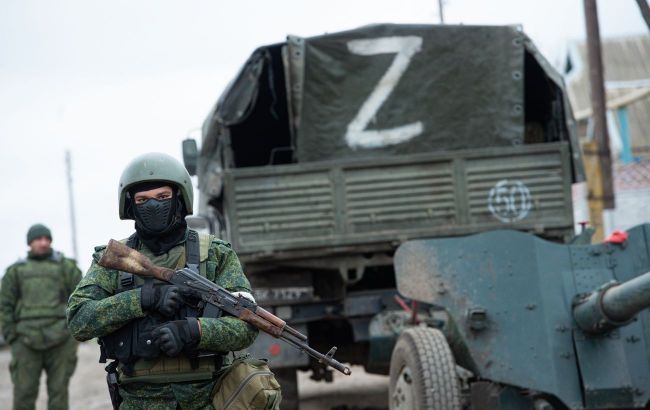 Illustrative photo: reports in Russia indicate problems with recruiting contract soldiers into the army (Getty Images)
Volunteer inflow into the Russian army has declined even in regions that were previously leaders in the number of contract soldiers. This is forcing the Kremlin to look for new ways to replenish its forces, according to the independent Russian outlet Vazhnye Istorii.
According to a source cited by the outlet within the Moscow city administration, the number of people willing to sign military contracts has noticeably decreased.
In April, the capital sent 1,708 people to the front, and in May — 1,378. That is roughly one thousand fewer per month than a year earlier. The source claims that low recruitment rates continued in June as well.
Problems with recruitment are also confirmed by sources in Russian military commissariats and units. They say it is becoming increasingly difficult to meet recruitment targets, even though manpower requirements for the army remain unchanged.
Sources told the outlet that recruitment difficulties have also emerged in the Russian drone unit Rubikon. Despite offering one-year contracts, there are still not enough volunteers.
How Russia is trying to recruit new soldiers
Due to the shortage of volunteers, regions are increasing spending on recruitment. According to Vazhnye Istorii, average monthly payments to recruiters have more than doubled — from 358 million to 802 million rubles.
In total, Russian regions have already paid at least 7.7 billion rubles to recruiters. Bonuses are received not only by civilians but also by employees of military enlistment offices, local administrations, and security agencies.
At the same time, potential contract soldiers are being lured with higher payments. For example, after increasing a one-time bonus to 3 million rubles in the Tyumen region, the number of applications temporarily doubled.
In addition, according to the outlet, Russians are sometimes recruited under the guise of jobs such as drivers, security guards, or construction workers in rear areas. After signing a contract, they may be assigned to any unit.
Whether a new mobilization is possible
Amid ongoing problems with recruiting contract soldiers, discussions about a potential new wave of mobilization are increasingly taking place within Russian government circles.
According to “Vazhnye Istorii,” journalists were told about such discussions by eight sources linked to the office of the Russian president and the security apparatus. One interlocutor said that no final decision has been made yet, but the topic is regularly raised at various levels of government.
A source close to the Kremlin’s domestic policy bloc claims that one possible timeframe being considered is October, after the State Duma elections. Another interlocutor said the presidential administration is considering various scenarios for replenishing the army, and mobilization is one of them.
According to another source involved in recruitment for a Russian state corporation, preparations for measures that may not officially be called mobilization have been ongoing for several months.
At the same time, the Kremlin is reportedly also considering a softer option — transferring reservists from rear units to combat formations. In parallel, some mobilized personnel could be reassigned to rear positions or demobilized.
The sources agree on one thing: the shortage of manpower for the war is becoming an increasingly serious problem for Russia, and current recruitment mechanisms are no longer sufficient to fully meet the army’s needs.
Russian media and human rights groups have previously reported cases of forced recruitment through threats, pressure, and detentions.
In particular, in the Penza region, security forces reportedly conducted raids on men with debts and criminal records, after which they were coerced into signing contracts for service in the Russian army.