JD Vance skips Switzerland nuclear talks with Iran: White House reveals reason

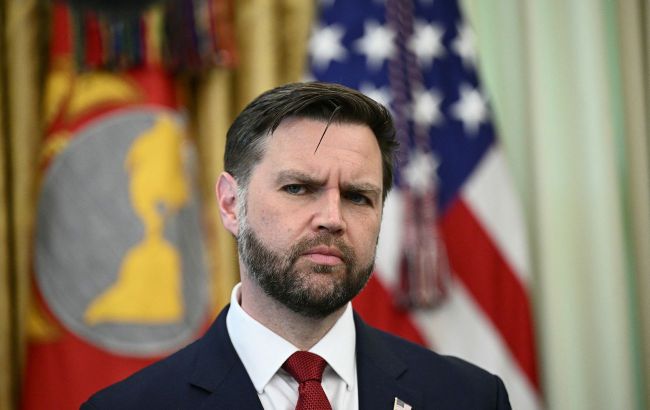 Photo: US Vice President JD Vance (Getty Images)
The White House announced Thursday evening that Vice President JD Vance had postponed a trip to Switzerland for a new round of talks with Iran regarding its nuclear program, according to ABC News.
The team led by Vance was ready to depart but postponed the trip, citing the complex logistics of the negotiations. Specifically, the reason was Israel’s ongoing military campaign in Lebanon, which also prevented Iranian representatives from traveling to the talks.
The postponement of the talks came after the US announced the lifting of the blockade, allowing oil tankers to move freely through the Strait of Hormuz after months during which this critically important waterway had been impassable.
Republicans dissatisfied with agreement
The initial agreement between the US and Iran drew sharp criticism from some US officials, particularly several Republicans in Congress, who are concerned that Washington has conceded too much to Iran by easing sanctions and creating a potential $300 billion fund to aid in reconstruction.
In light of this, Vance took the rather unusual step of appearing at the White House to defend the deal. He argued that while it offers concessions, Iran must first meet US demands.
"As they dial up their good behavior, we can dial up the economic relief," he says.
"If they dial down their good behavior, we can turn it off," Vance concludes.
The Swiss Foreign Ministry confirmed the cancellation of today’s scheduled talks between the US and Iran.
According to Reuters, the talks were scheduled to take place at the Swiss mountain resort of Bürgenstock. The Foreign Ministry did not specify the reasons for the cancellation.
A few days ago, the US and Iran officially signed a memorandum of understanding. Before the final agreement can be approved, the parties still need to resolve, at a minimum, the issue of Tehran's nuclear program.
The US has released the full text of the 14-point agreement with Iran. It includes the reopening of the Strait of Hormuz, which has, in fact, already taken place.