Iran war puts global internet at risk, media report

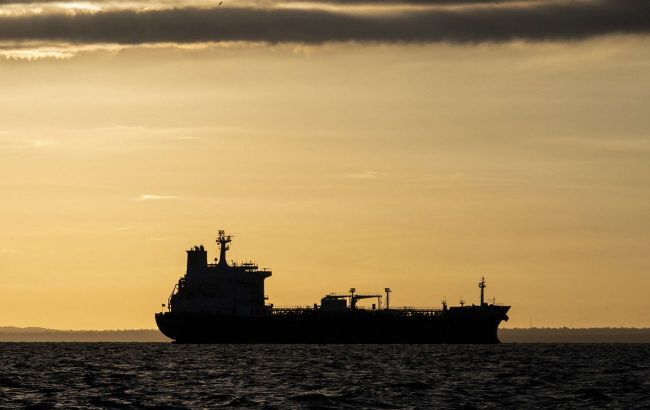 Photo: Oil tanker (Getty Images)
The war in Iran has put not only energy routes at risk, but also one of the key foundations of the global internet — undersea cables in the Red Sea and the Strait of Hormuz. A significant share of data traffic between Europe, Asia, and Africa passes through these narrow maritime corridors, according to Rest of World.
In recent years, Amazon, Microsoft, and Google have been expanding digital infrastructure in Gulf countries, expecting the region to become one of the new hubs for artificial intelligence.
However, this bet is now facing a direct military threat, as the cables connecting local data centers to other parts of the world run through the most dangerous areas.
Around 17 undersea cables pass through the Red Sea, carrying the majority of traffic between Europe, Asia, and Africa. Additional cables run through the Strait of Hormuz, providing connectivity for Gulf countries including Bahrain, Qatar, Kuwait, Iraq, and Iran.
"Closing both choke points simultaneously would be a globally disruptive event," said Doug Madory, director of internet analysis at the network intelligence firm Kentik. "I’m not aware of that ever happening."
So far, the cables themselves are not considered direct targets. However, the main risk lies in accidental damage or collateral strikes, after which repair vessels may not be able to safely reach the affected areas.
The outlet noted that in 2024, after three cables were damaged in the Red Sea, it took five months to repair one of them.
The threat to digital infrastructure is no longer theoretical. In early March, Amazon Web Services reported that its data centers in the UAE and Bahrain were damaged as a result of Iranian strikes.
The situation in the region sharply escalated after Iran effectively blocked the Strait of Hormuz — a key route through which a significant share of global oil supplies passes. This narrow maritime artery, about 50 kilometers wide, is critically important for the global energy market, so any restrictions immediately affect prices.
Amid attacks on civilian vessels and energy infrastructure, leading countries have called on Tehran to end the blockade and condemned the actions of the Islamic Revolutionary Guard Corps in the Persian Gulf.
At the same time, Iran has created a so-called safe corridor for tankers and is demanding up to $2 million from each vessel for passage. At least nine tankers are reported to have already used this scheme.