Iran unsure of mine locations, unable to reopen Hormuz — NYT

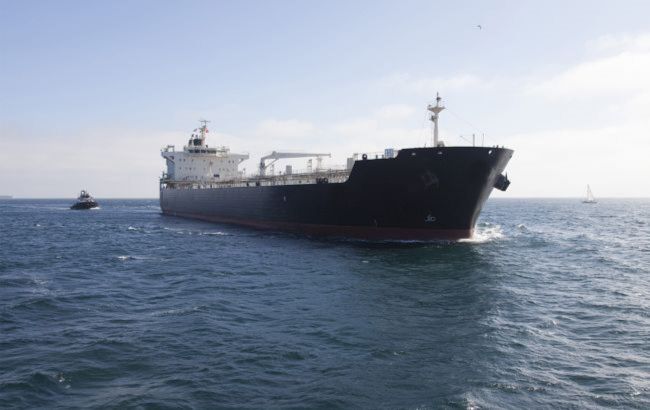 Some of the mines can move on their own (photo: Getty Images)
Iran has been unable to reopen the Strait of Hormuz to increase shipping traffic since it cannot locate the mines it deployed, The New York Times reports.
Sources say, in addition to being unable to detect the mines, the country is also unable to neutralize them. Some of the mines were laid in a way that allows them to drift and change position.
This was one of the reasons Iran was unable to quickly comply with the Trump administration's demand to allow a greater number of vessels to pass through the strait.
On April 8, Iranian Foreign Minister Abbas Araghchi said the waterway would be opened to shipping, subject to technical limitations. US officials noted that this remark referred to Iran's inability to quickly locate or eliminate the mines.
Background
In March, Iran mined the strait using small vessels after the United States and Israel waged a war against Tehran.
Along with the threat of drone or missile strikes by Iran, mines have nearly halted the flow of oil tankers and other vessels through the strait. This, in turn, has driven up energy prices and given Iran significant leverage in the conflict.
The NYT also notes that Iran has kept the waterway open only to vessels that pay fees (whereas passage had previously always been free). Against this backdrop, the Islamic Revolutionary Guard Corps (IRGC) issued warnings about the risk of ships colliding with naval mines, while semi-official news outlets published footage indicating safe routes.
Ceasefire and talks
Earlier, the media reported that at the beginning of this week, US President Donald Trump effectively threatened to destroy an entire civilization in Iran. However, he later said he had agreed to Pakistan's proposal for a two-week ceasefire with Iran, during which the sides are expected to finalize an agreement.
At the same time, Trump consented in exchange for reopening the Strait of Hormuz. According to media reports, Iran did reopen the strait after the talks, but soon closed it again after Israel attacked Lebanon. Pakistan stated that the ceasefire also applied to that country, but the United States and Israel rejected this.
Meanwhile, US Vice President JD Vance arrived in Pakistan today, April 11, for talks with Iran. At the time of publication, several media outlets reported that the sides had already held indirect negotiations.