Iran’s military flights through Pakistan spark outrage in Washington

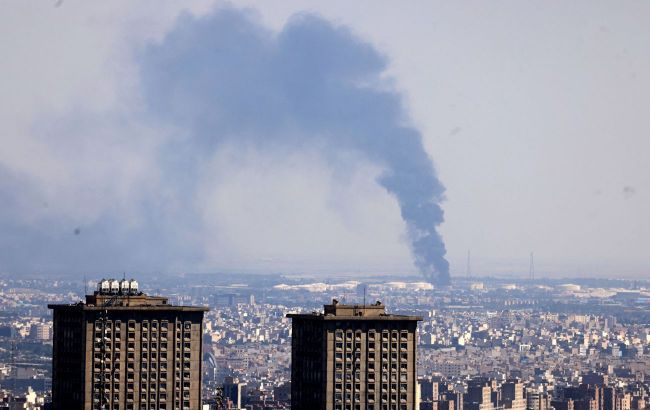 Aircraft were moved to a Pakistani airbase in April (Photo: Getty Images)
While Pakistan has positioned itself as a diplomatic mediator between Tehran and Washington, it secretly allowed Iranian military aircraft to be stationed at its airbases — potentially shielding them from US strikes. This is reported by American officials, reports CBS News.
What happened
A few days after the ceasefire between the US and Iran was announced in early April, Tehran moved several aircraft to Pakistan's Nur Khan airbase near Rawalpindi. Among them was an Iranian RC-130 reconnaissance aircraft, a variant of the C-130 Hercules transport plane.
Iran also sent civilian aircraft to neighboring Afghanistan. According to an Afghan civil aviation officer, one Iranian Mahan Air plane landed in Kabul before the war began and remained there after Iranian airspace was closed. It was later flown to Herat airport near the Iranian border.
Pakistan denies
A Pakistani official rejected the allegations regarding the Nur Khan airbase, noting that it is located in the heart of the city and it would be impossible to hide a large fleet of aircraft from public view. Taliban spokesman Zabihullah Mujahid also denied the presence of Iranian aircraft in Afghanistan.
Islamabad's double game
Pakistan is trying to balance between the two sides of the conflict — presenting itself to Washington as a stabilizing mediator while avoiding steps that could alienate Tehran or Beijing.
China supplies about 80% of Pakistan's weapons and has publicly welcomed Islamabad's role in facilitating indirect contacts between the US and Iran.
Iran's latest demands
According to Iranian state television, Iran's latest proposal for ending the war includes the payment of US war reparations, recognition of Iranian sovereignty over the Strait of Hormuz, and the lifting of sanctions.
Previously, Bloomberg reported that global oil reserves have begun to decline sharply amid the war in Iran and the effective blockade of the Strait of Hormuz. According to Morgan Stanley estimates, in March–April global oil reserves decreased by nearly 4.8 million barrels per day.
The greatest risks of fuel shortages have emerged in Asian countries that depend on oil imports, as well as in Europe, where jet fuel reserves are rapidly dwindling.