Iran nuclear talks made major progress in Doha, Trump says

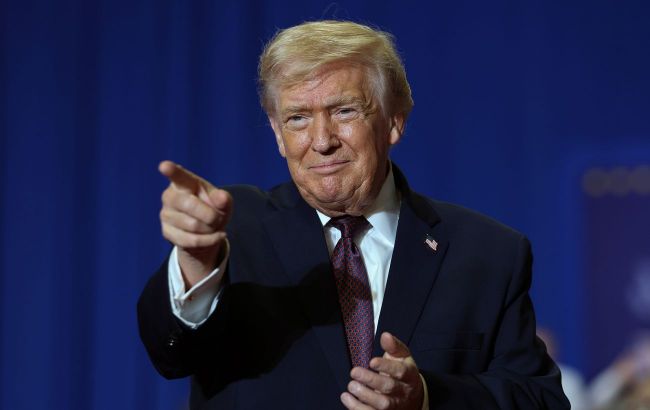 US President Donald Trump (photo: Getty Images)
The United States and Iran completed another round of indirect talks in Qatar. Donald Trump said there was progress on Tehran's nuclear disarmament, but serious financial and territorial disputes remain between the countries, The Times of Israel reports.
The meetings in Doha, which took place on Wednesday, were technical in nature. The sides communicated through mediators: Qatar and Pakistan. Donald Trump called the talks "very good" and expressed optimism before boarding the presidential plane.
"They've had very good meetings, and we'll see. The denuclearization of Iran is moving along well," Trump emphasized.
Representatives of both states agreed to open a permanent communication channel, which is needed to monitor the implementation of the memorandum signed two weeks ago.
This document gives the sides 60 days to prepare a final agreement. However, full-fledged dialogue is being slowed by the conflict around the Strait of Hormuz and Israel's war with Hezbollah.
Dispute over $6 billion
The financial issue has become a key stumbling block. Iranian Deputy Foreign Minister Kazem Gharibabadi announced an agreement on unfreezing assets and also said that "a communication channel would be established by tomorrow".
The first tranche of $3 billion is allegedly already being prepared for transfer. However, official Washington denies these claims. US officials say no agreements on returning the money have been reached so far. The United States insists that any funds can be used only to buy American goods.
Who will control Hormuz
Control over maritime routes became an important point of negotiation. Iran wants to obtain the right to charge ships for passing through the Strait of Hormuz. Iranian officials say they are prepared to use force to defend that right.
Washington is urging the Iranians to "think bigger." US diplomats argue that lifting sanctions would bring Iran 100 times more revenue from oil sales than "gangster tactics" in the strait.
Trump warned Iran about the consequences of aggression at sea. Every attack by Tehran would receive a powerful US response against targets that would worsen the country's position in the region.
What Vance and Israel say
US Vice President JD Vance said Washington is speaking to Tehran from a position of strength. He stressed that the White House has every option available if Iran resumes its nuclear program or the financing of terrorism.
"But what we must never do is drop bombs just for the sake of dropping bombs. And that is what the president will never ask you to do," Vance told US military personnel.
He added that Trump clearly defines the objectives of war, unlike previous administrations. At the same time, Israel is keeping its distance from these agreements. Prime Minister Benjamin Netanyahu has distanced himself from the talks in Doha.
Israeli officials are dissatisfied with the terms. They believe the agreement does not resolve the main issues:
-
It does not completely eliminate Iran's nuclear program;
-
It does not stop missile development;
-
It does not create conditions for regime change in Tehran.
Despite this, the text of the memorandum describes the terms as binding not only for the United States and Iran, but also for their allies. Next week's negotiations are planned to be kept secret to avoid escalation and "missiles flying."
What else is known about the situation in the Strait of Hormuz
After the United States and Iran stopped exchanging strikes, oil prices fell to nearly the level seen at the beginning of the war. However, despite the price decline, the oil market remains cautious.
According to the United States Central Command, shipping through the Strait of Hormuz remains open.