Iran claims closure of Strait of Hormuz and threatens ships

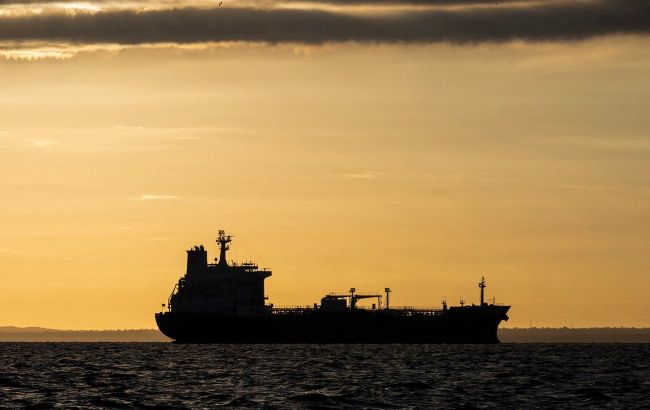 Ships have been threatened with attack if they attempt to pass through the Strait of Hormuz (illustrative photo: Getty Images)
Iran has announced the complete closure of the Strait of Hormuz to all types of vessels amid renewed US airstrikes, CNN reports.
The Islamic Revolutionary Guard Corps (IRGC) stated that the strait has been closed to all commercial, oil, and other vessels. Iranian military officials warned that any ship attempting to pass through the route would become a target for attack.
"You make the sacred Strait of Hormuz insecure?! We will turn the region into hell for you from across Iran," said Islamic Revolutionary Guard Corps' aerospace commander, Seyed Majid Mousavi.
At the same time, US Central Command denied Tehran's claims regarding the closure of the route. Washington stressed that commercial vessels continue to pass freely through the Strait of Hormuz.
Meanwhile, Iranian state media claim that armed clashes between the militaries of the two countries have taken place in the strait and that two vessels were allegedly hit. The United States denies this information, stating that none of its warships were damaged.
On Tuesday, June 9, US President Donald Trump said that Iranian forces had shot down a US AH-64 military helicopter near the Strait of Hormuz the previous day. In response, he threatened Iran with new strikes.
During the night of June 10, US forces attacked Iranian air defense systems, ground command posts, and other military facilities. Tehran, in turn, reported strikes on US targets in the Middle East.
Following this, Trump said that Iran was dragging out the negotiation process and that the country would have to pay as a result. He later also warned of preparations for another strike.
Yesterday evening, US media reported that Trump held a meeting in the White House Situation Room, where a possible resumption of attacks was discussed. Among the options considered was a large-scale but short-term operation aimed at influencing Iran's position in the negotiations.
Shortly afterward, Pentagon chief Pete Hegseth said that the United States could launch another strike as early as the following night or within 24 hours. That is exactly what happened — during the night of June 11, US forces resumed bombing Iran.