Intelligence reveals new Kremlin tactic to force businesses to fund war

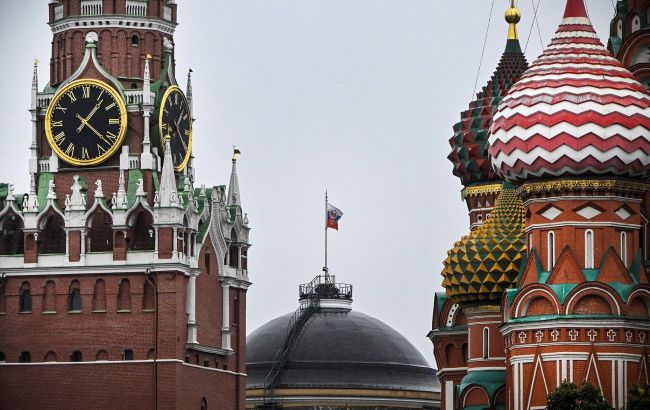 Photo: Moscow deploys an arsenal of measures to fill the budget (Getty Images)
The Kremlin is launching a large-scale campaign against the "shadow economy" to find additional funds to finance the war against Ukraine, according to Ukraine’s Foreign Intelligence Service.
New methods of fiscal pressure
According to intelligence, amid the deterioration of the corporate sector and rising losses among companies (reaching 27.1% in 2025), the Russian government has introduced a series of control measures.
These include advance VAT payments, a new verification system for importers, licensing of the tobacco trade, and criminal liability for cryptocurrency mining.
Particular attention is being paid to cash circulation, informal employment, and the gold market. Russia’s Ministry of Finance expects these measures to generate up to $10 billion annually, although experts consider these estimates to be overstated.
Reaction of the Russian business
Businesses are responding to the pressure by raising prices, cutting staff, and moving further into the shadow economy.
In the Far East, as many as 36% of entrepreneurs are already considering closing their businesses.
Statistics show stagnation in cashless payments following the VAT increase to 22%. In many regions, nearly half of customers report that businesses are offering only cash payments, effectively undermining the country’s tax base.
Putin’s challenges and funding the war
Recently, Russian leader Vladimir Putin held a closed-door meeting with major businesses, where he effectively ordered oligarchs to "chip in" for the war against Ukraine.
Putin continues to publicly justify the aggression, calling it a "righteous fight" for Russia’s future.
At the same time, Russia has recorded a sharp drop in trust in Putin. Approval ratings have fallen to their lowest level since the start of the full-scale invasion in 2022, according to surveys, including those conducted by Kremlin-controlled pollsters.