Hungary's Orbán sets new condition on EU loan for Ukraine — Politico

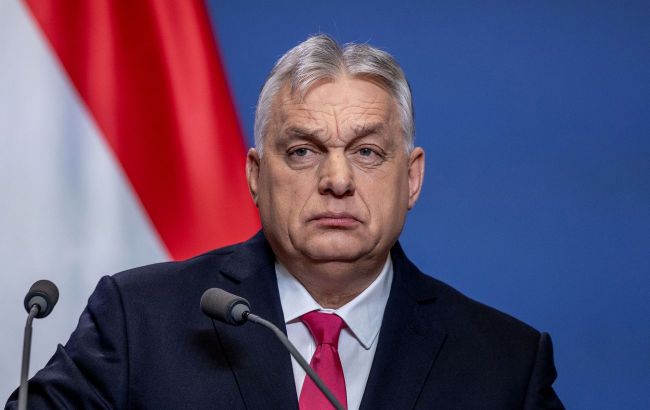 Photo: Hungarian Prime Minister Viktor Orbán (Getty Images)
Hungarian Prime Minister Viktor Orbán may have an additional condition for unblocking the EU's €90 billion loan to Ukraine, Politico reports.
Read also: EU seeks victory: Politico on Orbán's role in unlocking Ukraine loan
EU officials seem to be gaining a better understanding of what might prompt Orbán to lift his veto on the loan to Ukraine.
In a letter to European Council President António Costa sent on Thursday, the Hungarian prime minister hinted that he might back down if the EU officially assesses the damage caused to the oil pipeline in Ukraine.
Some EU officials hope that a commitment to resolve the Druzhba issue could unblock the loan.
However, two diplomats directly involved in the discussions caution that Budapest's maneuvering could be broader.
According to them, Hungary may continue to block sanctions until its own application for a €16 billion defense loan under the SAFE instrument is approved.
The diplomats note that Budapest's pressure campaign is primarily aimed at speeding up the European Commission's approval of the SAFE request.
They suggest that the defense loan could be a decisive argument for Orbán, despite his public statements about an alleged EU conspiracy with Ukraine to deprive Hungary of access to cheap Russian oil supplies.
At the same time, alternatives to cooperation with Orbán continue to be discussed behind the scenes in the EU. In particular, there is mention of a little-known provision that appears to have been discovered by the Council's legal services: Article 327 of the EU Treaties.
It states that Member States that do not participate in enhanced cooperation (the legal basis for the loan) shall not impede its implementation by the Member States participating in it.
Hungary blocks EU loan to Ukraine
Hungary has blocked the European Union's €90 billion loan to Ukraine. The loan was to be financed through joint debt guaranteed by the EU budget.
Such a decision requires the unanimous support of all 27 member states, so Budapest's position has effectively halted the process.
Subsequently, Hungarian Foreign Minister Péter Szijjártó said that his country would block the loan until Ukraine resumes the transit of Russian oil through the Druzhba pipeline.
Ukraine has proposed several realistic solutions to settle the oil dispute with Hungary and called on Budapest not to use this issue in domestic politics.
On April 15, the European Commission will present a legal proposal for a permanent ban on Russian oil imports. This will happen three days after the parliamentary elections in Hungary.
Yesterday, February 26, Orbán sent a public letter to Ukrainian President Volodymyr Zelenskyy, accusing Kyiv of influencing the upcoming elections.
EU leaders are also looking for ways to give Orbán a chance to save face ahead of the elections, which would allow him to stop blocking funding for Ukraine.