How to unlock a frozen car door: Practical tips that really work

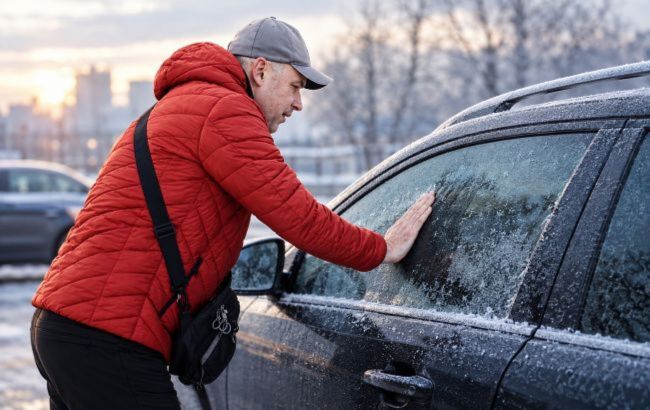 Frost can cause car doors to freeze shut, but a few simple steps can help you get inside without damaging the lock or door seals (collage: RBC-Ukraine)
In freezing weather, drivers often can't unlock their cars. The cause may be not only a frozen lock but also rubber door seals stuck to the bodywork. Some popular de-icing methods can actually make the problem worse and lead to costly repairs.
RBC-Ukraine explains how to safely unlock a car in this situation and which mistakes to avoid.
Check what exactly is frozen
Before trying to open the car door, determine what is preventing it from opening.
According to experts at the German automobile club ADAC, drivers can face two winter problems: a frozen lock mechanism or rubber seals frozen to the car body.
You can tell the difference by looking for several signs:
-
The key will not go into the lock or turn. Moisture has most likely entered the mechanism and frozen.
-
The central locking system works, but the door will not open. The rubber seals are probably frozen to the car body.
-
The door handle is difficult to move. Ice may have formed around the handle or inside its mechanism.
Do not use force, as it could damage the door handle, lock, or rubber components.
How to quickly defrost a car lock
If the problem is with the lock mechanism itself, the best option is to use a specialized de-icer.
Use a lock de-icer
These products are available at auto supply stores and usually contain ingredients that help melt ice inside the mechanism.
To use one:
-
Apply the de-icer to the keyhole according to the manufacturer's instructions.
-
Wait for the product to take effect.
-
Carefully insert the key and try to turn it without applying excessive force.
-
Repeat the procedure if necessary.
Do not force the key to turn if the mechanism remains blocked. This could damage the lock.
Use an alcohol-based product
As a temporary alternative, you can use an alcohol-based product to help melt the ice inside the mechanism.
However, check the product's ingredients. Products containing additives may leave residue inside the lock, so a specialized automotive de-icer is a better option.
Do not heat a modern car key with an open flame
Although some drivers try to warm metal keys with a lighter, this method is not recommended for modern vehicles.
High temperatures can damage the key's electronic chip, transponder, or plastic components.
What to do if your car doors are frozen shut
If the lock works but the door will not open, the problem may be with the seals.
Experts at the British motoring organization RAC note that during severe cold, it is important to handle frozen car components carefully to avoid damaging them.
In this situation, do not pull the door handle sharply. Instead, try gently pressing the door against the bodywork to loosen the ice. You can also press your palm lightly against the door in several places along the seal without striking it hard.
If this doesn't help, check the other car doors. Sometimes the passenger doors remain accessible even when the driver's door is frozen shut. Once inside, you can gradually warm up the car and carefully try to open the blocked door from the inside.
However, before driving, make sure the driver's door can also be opened normally from the outside. This is important to ensure access to the driver in an emergency.
Which popular methods can damage your car
To get inside as quickly as possible, drivers sometimes use methods that can damage their cars more than the freezing temperatures.
Pouring boiling water on the lock or door
This is one of the riskiest methods. A sudden temperature change can damage the paintwork, plastic components, and car windows. Water can also get inside the mechanism and freeze again.
Pulling the door handle too hard
If the seals are frozen to the bodywork, a sudden pull can tear the rubber or damage the handle.
Using metal objects
Do not try to remove ice from the lock with a knife, screwdriver, or other sharp object. These tools can damage the mechanism and scratch the car body.
Heating the door with a heat gun
Excessively hot air can damage the paint, plastic parts, and rubber seals. Therefore, using a heat gun to defrost car doors is not recommended.
How to prevent car locks and doors from freezing
To prevent the problem from recurring throughout the winter, protect your car in advance.
According to ADAC recommendations, the following measures can help:
-
Treat the rubber seals. Specialized rubber care products help reduce the risk of the seals freezing to the bodywork.
-
Maintain the locks. For preventive care, you can use suitable automotive lubricants, provided they are compatible with the lock mechanism.
-
Remove any remaining moisture. After washing the car, thoroughly dry the door frames and rubber seals.
Once you manage to open a frozen door, wipe the seals dry. This will help reduce the risk of them freezing again when temperatures drop.
Read also: Why your kitchen range hood isn't pulling air and how to fix it