Healthier than you think: Most nutritious meat people no longer eat

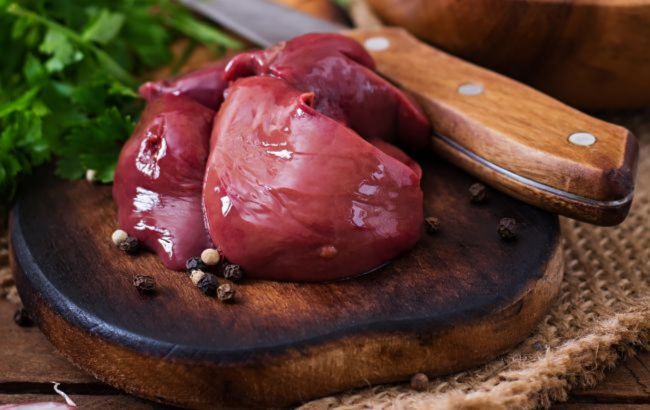 Specialists reveal the most nutritious meat in the world (photo: magnific)
Nutritionists are urging people to bring organ meats back into their diets, describing them as true natural superfoods that can improve metabolic health and provide essential vitamins. Surrey Live explains why these foods are considered real superfoods.
Why we stopped eating most nutritious meat
Historically, organ meats were a staple in many cuisines due to their affordability and exceptional nutritional value. However, in modern Western diets, they have gradually been replaced by lean muscle meat. Experts say that by avoiding these foods, we are missing out on a true nutritional treasure.
Modern research places animal organs (from cows, pigs, sheep, and chickens) alongside dark leafy greens, seafood, and eggs. The London Obesity Clinic notes that their rich mineral profile helps prevent cellular damage from free radicals, effectively treats anemia, strengthens the immune system, and speeds up wound healing.
Registered dietitian Kathy W. Warwick says organ meats are far more nutrient-dense than regular fillets or steaks. They provide all nine essential amino acids and contain exceptionally high levels of B vitamins (especially B12 and folic acid), as well as iron, magnesium, selenium, zinc, and fat-soluble vitamins A, D, E, and K.
Most popular and beneficial types of organ meats:
- Liver: Absolute leader, often called a "natural multivitamin" by nutritionists.
- Brain: Considered a delicacy in many cultures and an extremely rich source of omega-3 fatty acids.
- Heart and kidneys: Contain high-quality protein and essential minerals.
- Tongue: Known for its high fat content and tender texture.
Downside: Cholesterol trap
Although researchers consider organ meats healthier than some fruits and vegetables, uncontrolled daily consumption carries serious risks. The main concern is their extremely high cholesterol content, which far exceeds that of lean meats.
For comparison, the recommended daily cholesterol intake is just 300 milligrams. Yet 100 grams of beef brain alone contains a shocking 2,000 milligrams of cholesterol.
Kidneys and liver also exceed the daily limit, containing 716 and 381 milligrams, respectively. That is why nutritionists recommend including these "superfoods" in the diet, but only in moderation, while maintaining overall nutritional balance.
You may also be interested in:
This material is for informational purposes only and should not be used for medical diagnosis or self-treatment. Our goal is to provide readers with accurate information about symptoms, causes, and methods of detecting diseases. RBС-Ukraine is not responsible for any diagnoses that readers may make based on materials from the resource. We do not recommend self-treatment and advise consulting a doctor in case of any health concerns.